Complete Longview Spray Foam InsulationComplete Longview Spray Foam InsulationRequest an estimate(903) 309-1886

Attic air sealing in Longview TX - gaps closed before new insulation goes in

Hot upstairs rooms, drafts and a power bill that keeps climbing? We close the attic leaks first so your insulation can do its job.

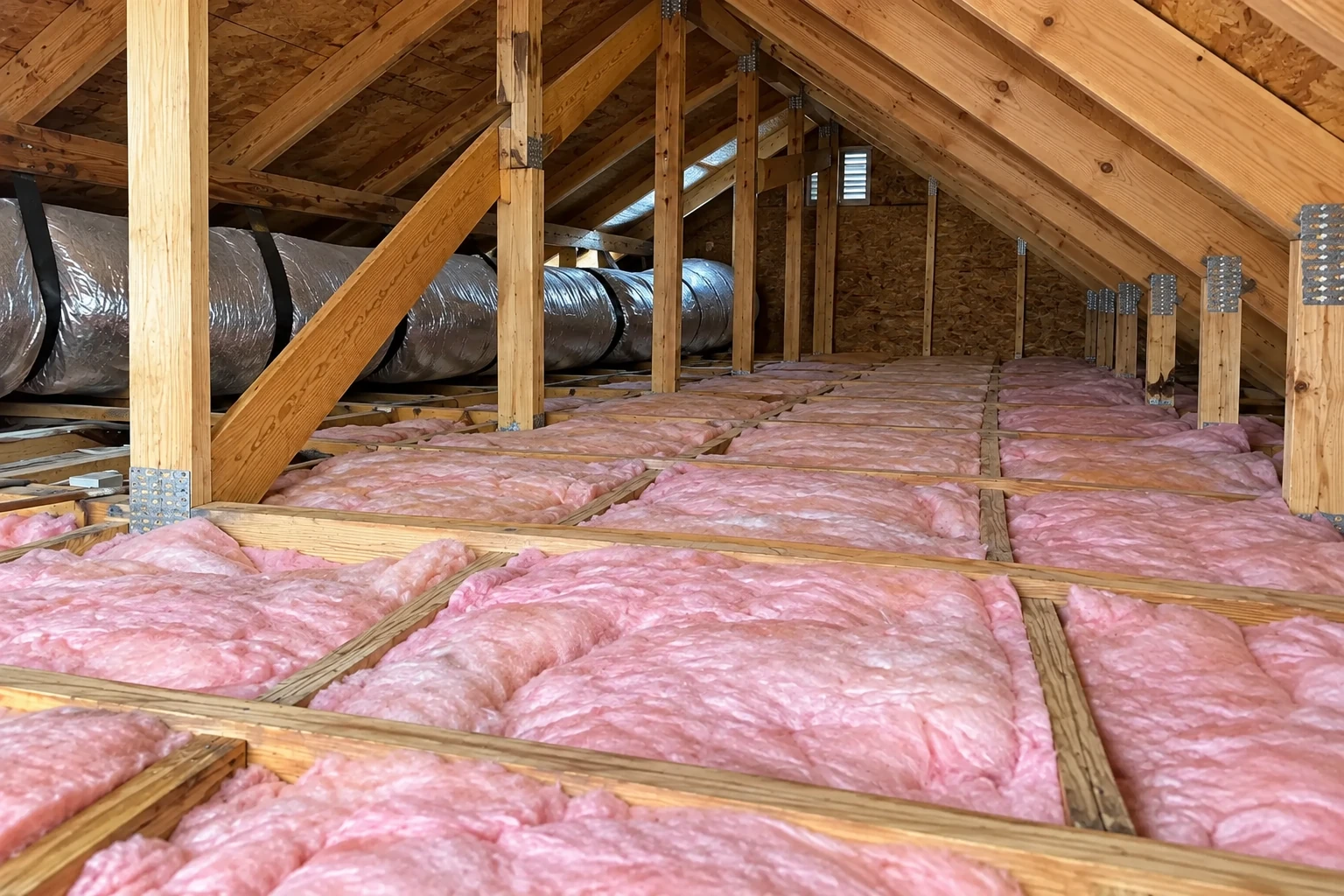
Pink batt insulation fills the floor joists of an attic beneath exposed wooden roof framing and ductwork.

Why is my upstairs still drafty when the attic has insulation?

Attic air sealing in Longview means closing the gaps and holes in your attic floor, so attic air stops slipping down into your rooms. Done right, it cuts drafts, helps the power bill and keeps moisture from building up in the attic, and on most houses it's the first step of an insulation job.

Most folks call us because the room over the garage won't keep up, the floors feel cold or the power bill keeps creeping, and plenty of them have never set foot in their own attic. The usual cause is dozens of small openings around pipes, wires, lights and the hatch, so piling more attic insulation on top just leaves the insulation fighting a draft. The price mostly turns on how many leaks are up there, how much old insulation we have to move to reach them and how easy the attic is to get around in. The schedule mostly depends on whether anything needs fixing before we seal, and your estimate spells out which areas and which materials your job covers.

How we handle attic air sealing, start to finish

Before we seal anything, I go through your attic looking for anything that stops the job, because sealing over a problem just locks it in, and you'll find the short list of those in the questions below. Then our crew pulls back the old insulation where it's in the way and seals the gaps one by one, with caulk for small cracks and spray foam for the bigger holes around pipes, wiring, can lights, the tops of interior walls and the attic hatch. Around furnace and water heater flues we use metal and heat-rated caulk, since foam has no business against a hot pipe, and the metal keeps insulation back from it too. We leave the soffit, ridge and gable vents and any combustion air ducts open, because those openings are supposed to move air, and then the insulation goes back down, spread even all the way to the edges instead of piled up in the middle.

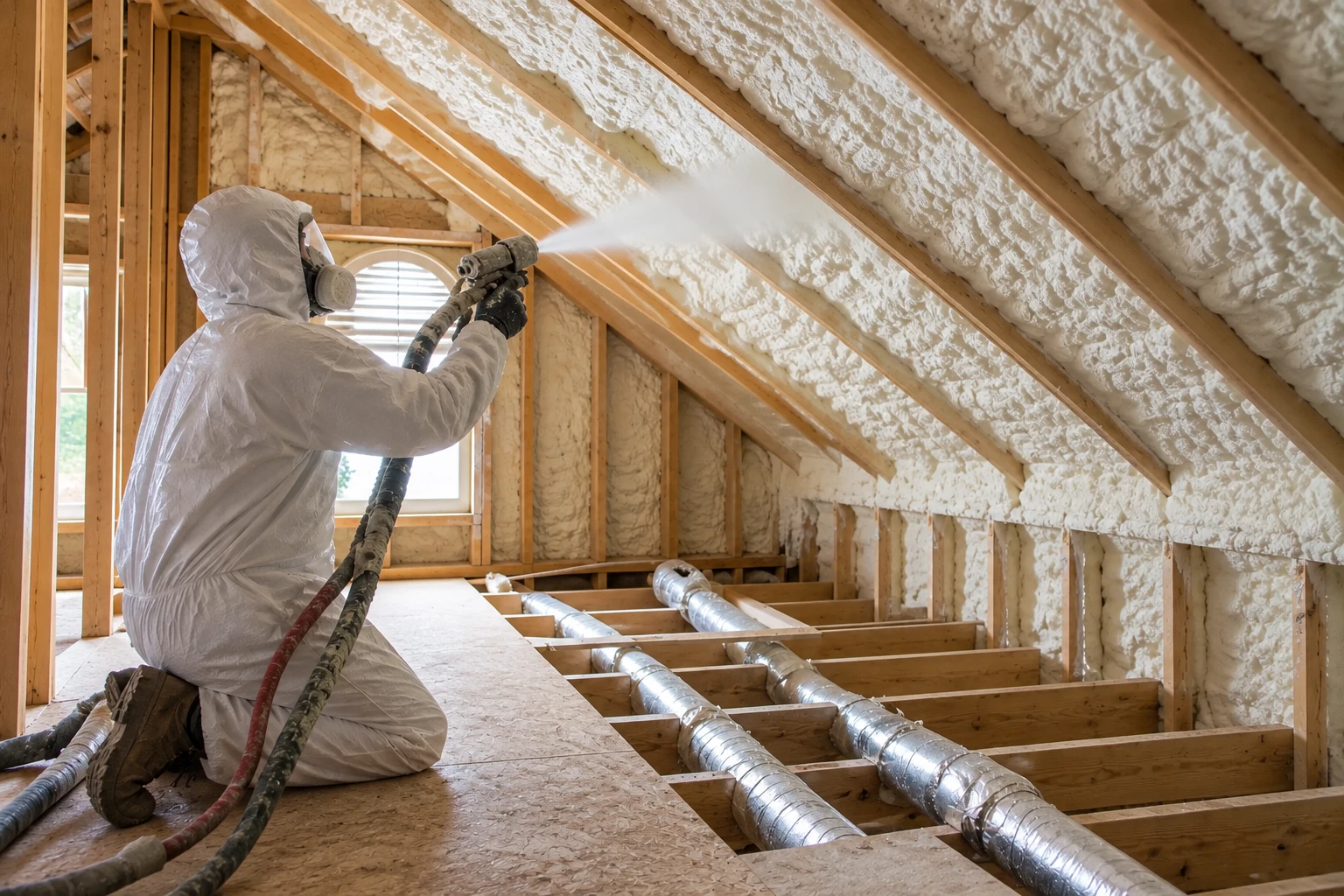
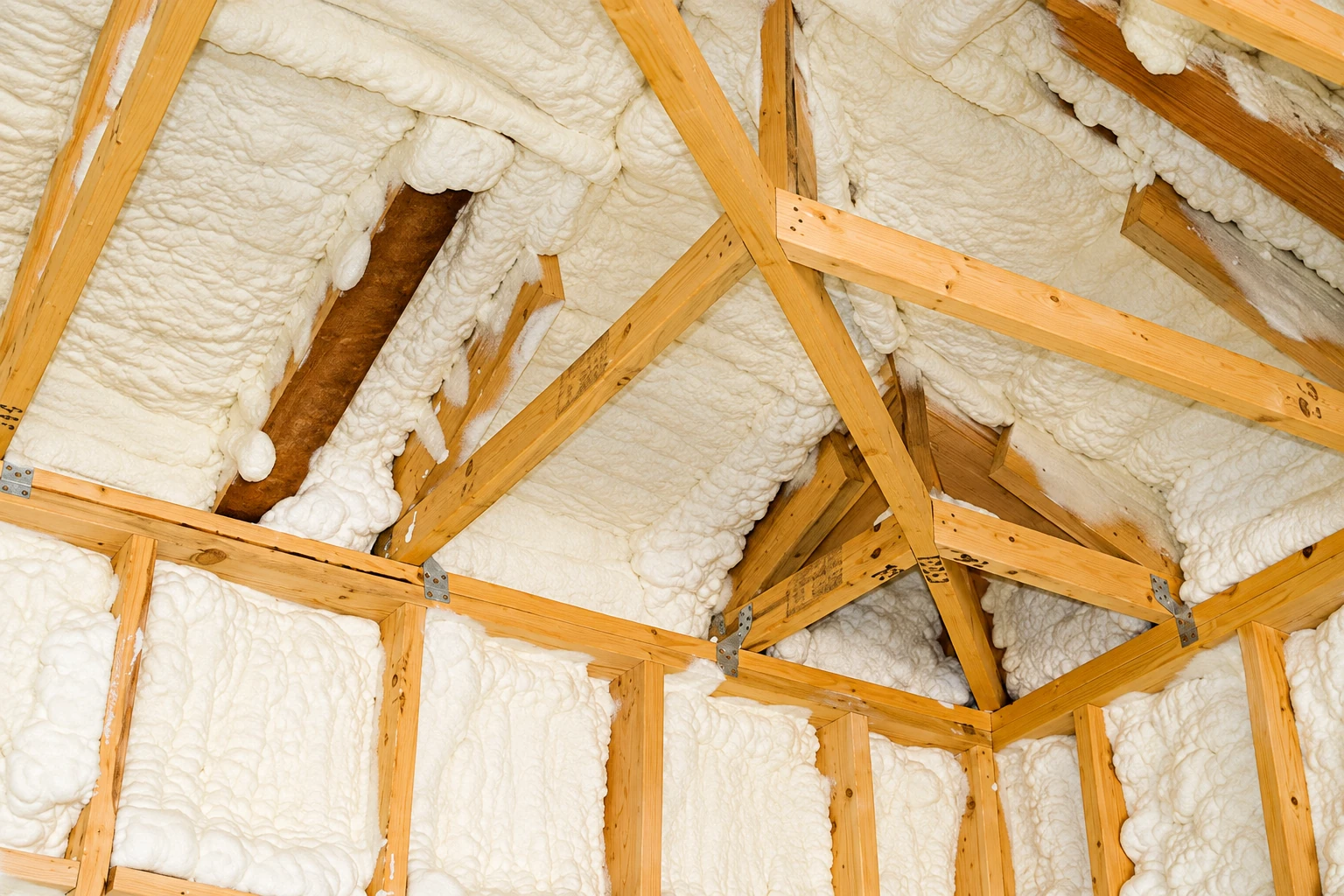
Sealing is usually the first half of a bigger job. If your house is older and the insulation up there is thin, we seal and then top it up as part of retrofit insulation, and in most attics that's where I'd tell you to spend the money. If your ductwork runs through the attic, spray foam insulation under the roof seals and insulates in one pass and pulls the ducts inside the sealed space, so even though foam costs more, that's the case where I think it earns its keep.

Sealing only, under the insulation you have

This suits an attic where the insulation is dry, clean and already decent. We pull it back, seal what's underneath and lay it back down evenly, so you're paying to stop the leaks and not for material you don't need.

Sealing with a loose-fill top-up

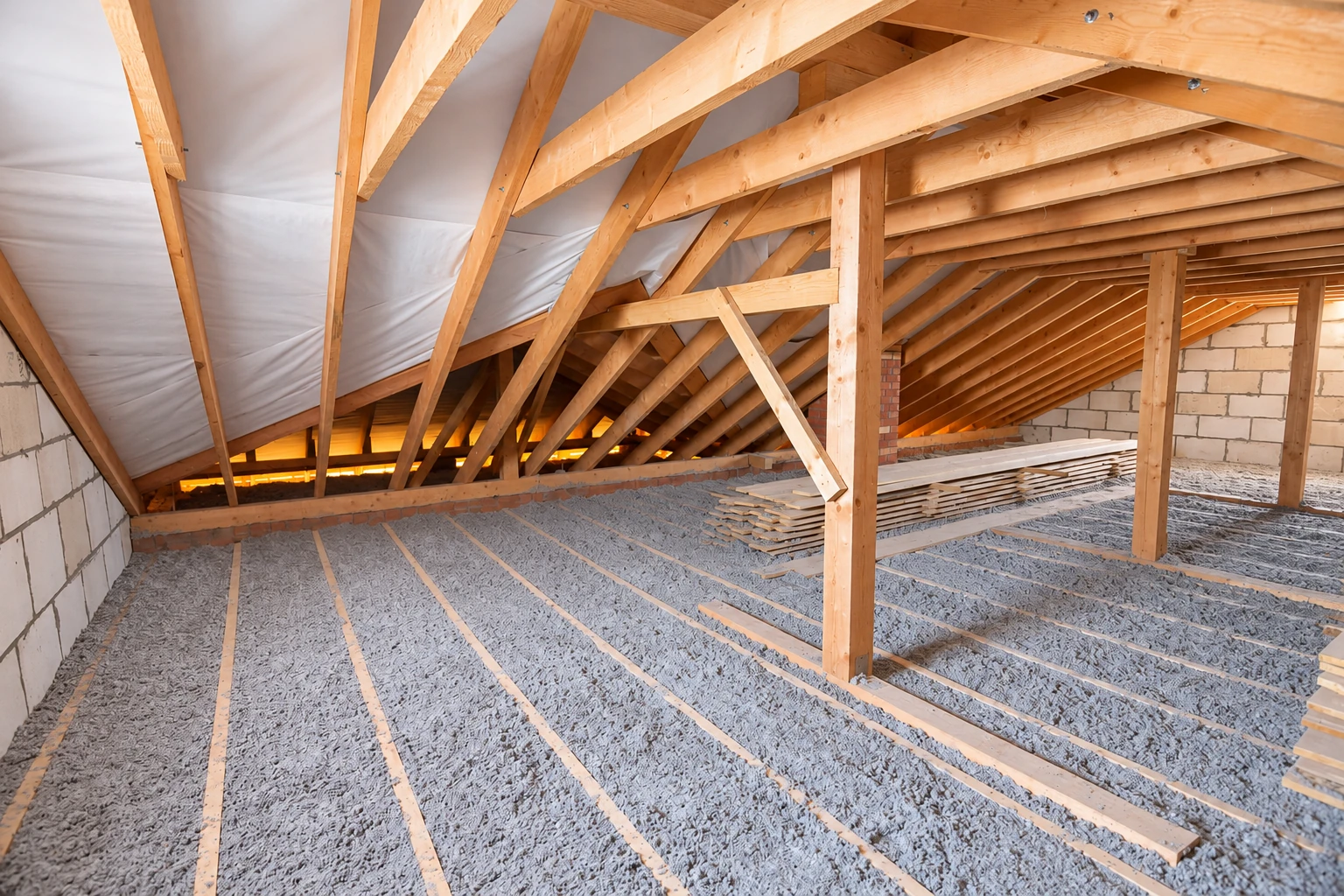
This suits a house where the insulation is thin, matted down or uneven. We seal first and then add blown-in insulation, which is loose fill blown through a hose, and if the old stuff is soaked or full of droppings, it comes out before anything new goes in.
Why Longview homeowners call us to seal their attics

The owner writes your estimate in person

When you call, I'm the one who comes out, climbs into your attic and writes the estimate, so the person pricing the job has actually seen it. Our own crew lead and installers do the work, and they show up knowing what I saw up there.

Sealing East Texas attics since 2013

I learned this trade blowing insulation and sealing drafty houses for neighbors around Longview, and in 2013 it became my full-time work. Thirteen years in, I still do attic jobs in the same order, fix what's wrong, seal, then insulate, because covering a problem only hides it.

Licensed and fully insured for attic work

We're licensed and fully insured, which counts when a crew is working above your ceilings near wiring, pipes and flues. If you'd like us to take a look at yours, call (903) 309-1886 or send the form, and we'll set up a time to come out.

Get a free on-site estimate for sealing your attic

Send the form or call Complete Longview Spray Foam Insulation at (903) 309-1886, and we'll reply within one business day, a lot of the time with me on the other end of the phone. I'll come out, look over your attic and write a free estimate with no pressure and no obligation, spelling out which areas and which materials the job covers. It helps if you jot down what you know about your wiring, the insulation up there, where your bath fans vent, any roof leaks and any gas appliances.

Location
Longview, TX 75601
Hours
Mon–Fri: 8 AM–11 PM, Sat–Sun: 6 AM–10 PM

Attic air sealing in Longview, from permits to the houses we see

Homeowners with permit questions in Longview go to the city's Development Services department, which handles homestead exempt permits and takes questions in person or by phone, while its online portal is set up for general contractors, licensed trades and design professionals. The city's information doesn't settle whether attic air sealing on its own needs a permit, so before work starts we check with the building office for the city your house is in. If a permit is needed, we take care of it as part of our work and tell you up front.

We're based in Longview and work in the cities around it across East Texas, including White Oak, Kilgore, Tyler and more. A lot of the attics we climb into around here have a hatch nobody's opened in years, can lights poking up through the ceiling and ductwork running across the floor, so the list of spots to seal tends to run longer than folks expect.

Questions Longview homeowners ask about attic air sealing

How much does attic air sealing cost in Longview?

There's no flat price, because every attic has a different number of leaks and some are a lot harder to reach than others. The number also changes if old insulation has to come out, if something needs fixing first or if you add new insulation in the same visit. I'd rather see your attic and write it up than guess over the phone.

What is the best way to plan attic air sealing and new insulation together?

Seal first, then insulate, as one project. Federal guidance for an existing attic with vents says to air seal every opening through the attic floor before adding insulation, so booking the sealing as step one saves pulling new insulation back later. That's how we schedule it when both are on your list.

How do I know if my attic is ready for air sealing?

Your attic is ready when none of a short list of problems is up there. A federal guide says to stop and deal with active knob and tube wiring, the old kind strung on porcelain knobs, vermiculite insulation, which looks like gray-brown pebbles, bath fans venting into the attic, a leaking roof, or an unvented kerosene heater or gas fireplace before sealing starts. It's worth a look in your own attic, and if one turns up, I'll point it out at the estimate so it gets handled first.

Can I seal my attic if I have a gas furnace or water heater?

Yes, but it takes some planning first. Federal guidance says a home with a gas or oil furnace, water heater or boiler venting through a natural draft chimney, one that relies on warm air rising to carry the exhaust out, needs outside air for combustion and a backdrafting test, which checks that exhaust isn't spilling back into the house. The same guidance calls replacing them with sealed combustion, induced draft or power-vented units the best approach and calls for carbon monoxide detectors, so it's smart to put those detectors in before we come.

What spots should an attic air sealing quote include?

A good quote names the spots, and a federal checklist makes a handy list to hold it against: wall tops, chases, which are the boxed-in runs for pipes and ducts, dropped soffits, recessed lights, plumbing vent pipes, wiring holes, exhaust fans, stairwells, chimneys and ductwork openings. We'll show you which of those our quote covers, and you can ask how the insulation we move gets put back once the sealing's done.

Call (903) 309-1886