Complete Longview Spray Foam InsulationComplete Longview Spray Foam InsulationRequest an estimate(903) 309-1886

Open-cell foam insulation in Longview TX - a sealed attic that stops the drafts

Hot upstairs rooms and a big power bill usually start in the attic. We foam the roofline so it's sealed and insulated at once.

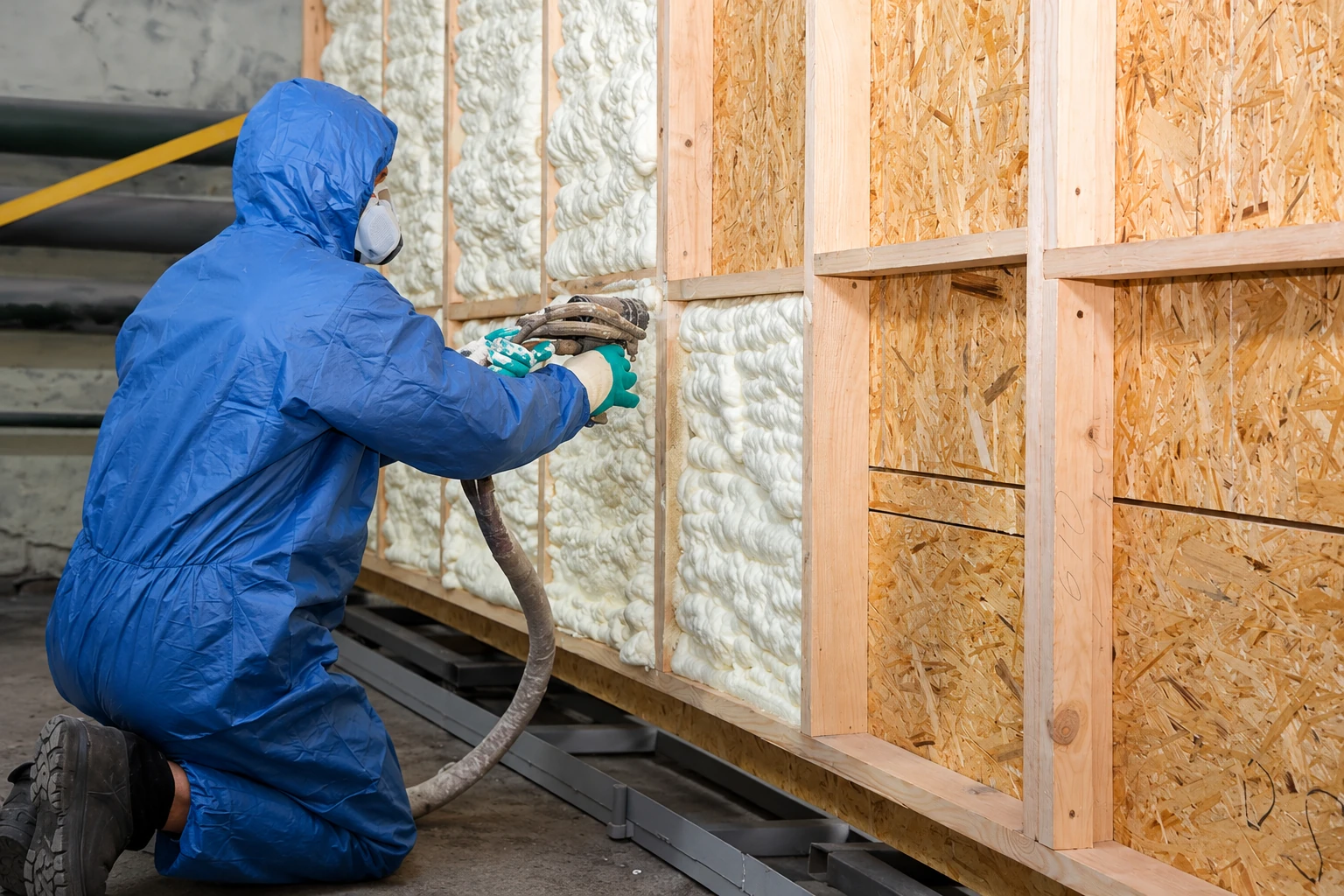
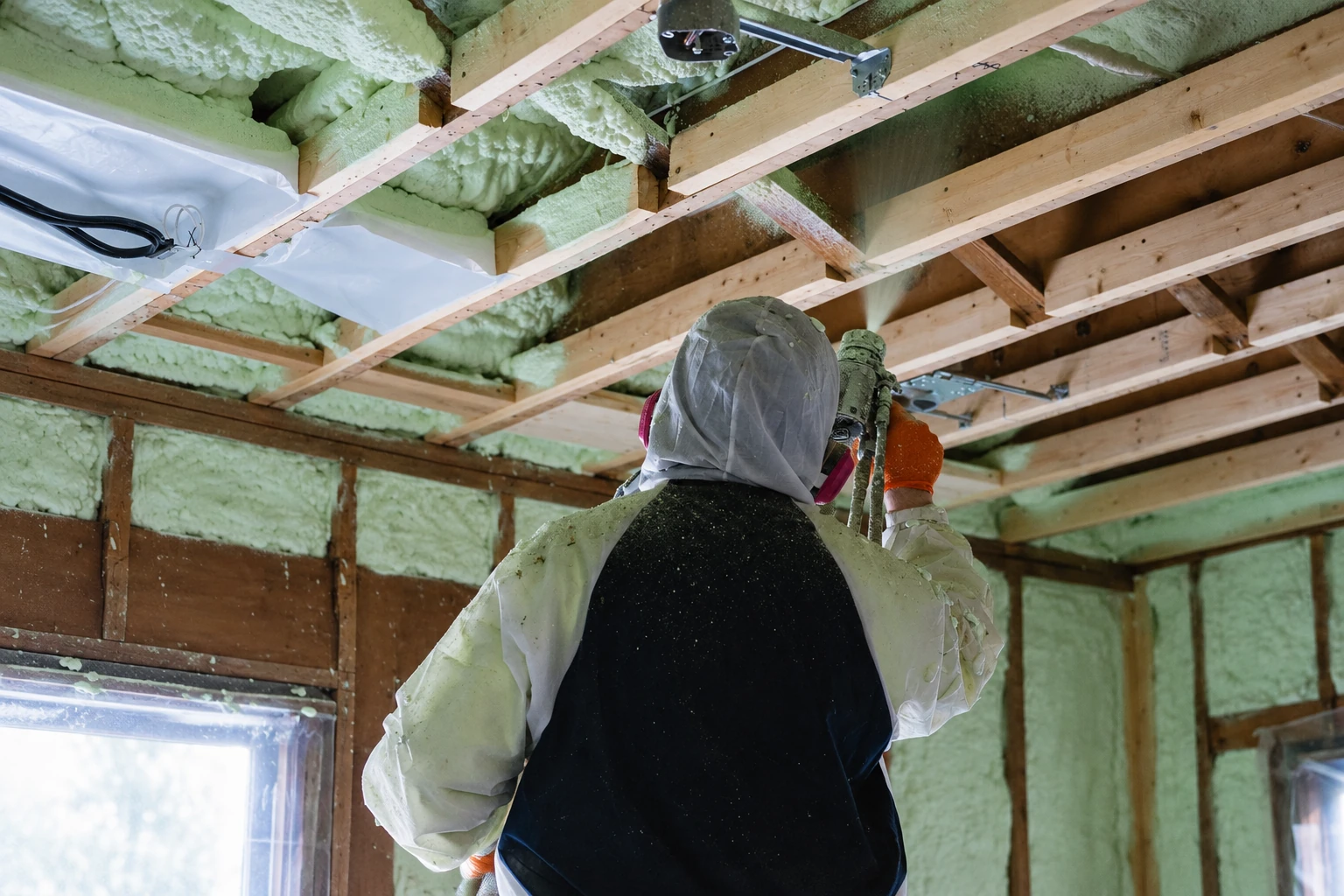
A worker in protective gear sprays pale green foam insulation into exposed ceiling joists.

Is open-cell foam the right insulation for my Longview attic?

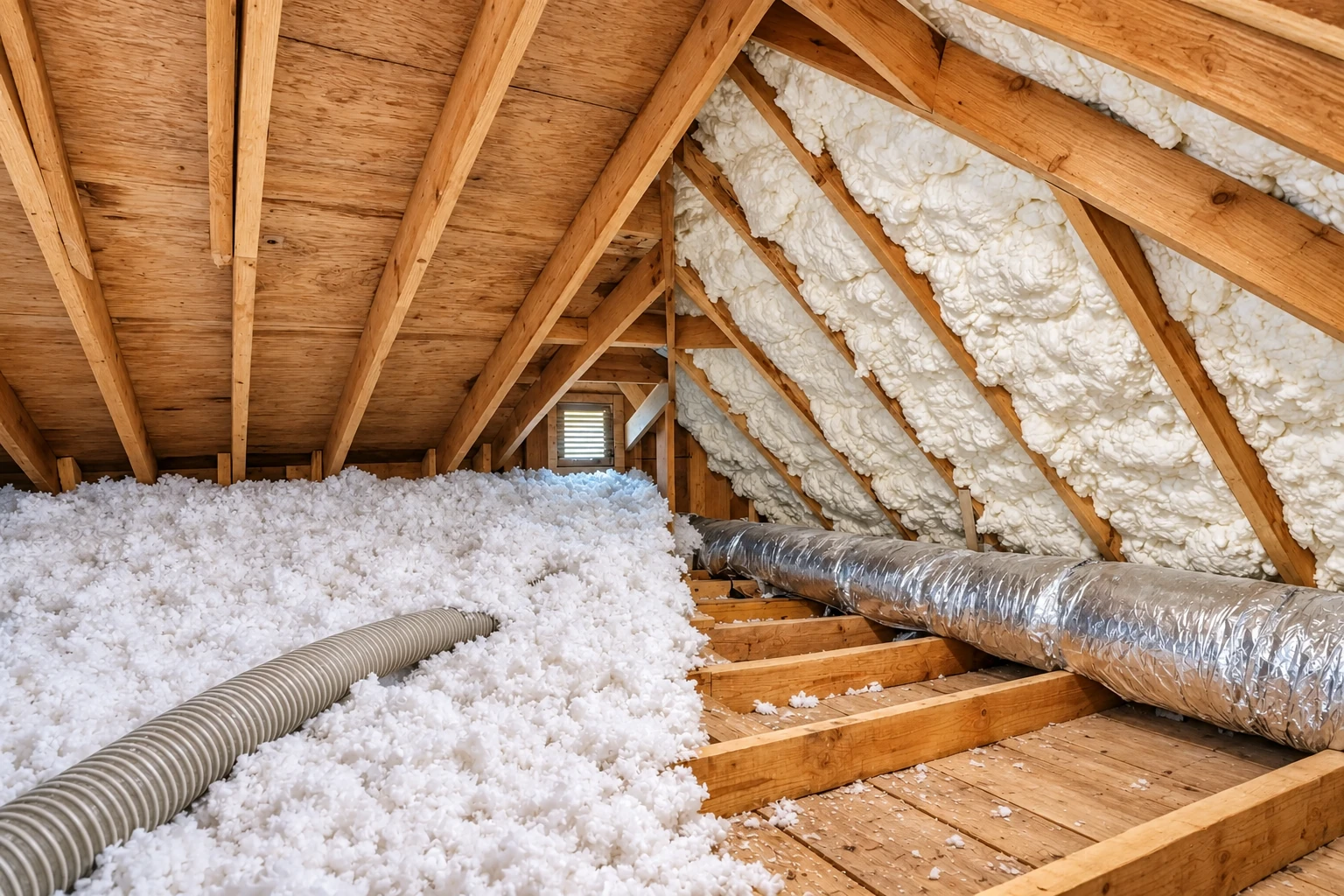
Open-cell foam insulation in Longview is a soft, spray-applied foam we put on the underside of your roof deck and gable walls. It seals the attic against outside air and insulates it in the same pass, so the space above your ceilings stops dumping summer heat into the rooms below.

Most calls start with an upstairs bedroom that won't cool off or a room over the garage that's never comfortable, and plenty of folks haven't been up in their own attic since the day they bought the house, which is fine, because that's my job. What moves the price is the size and shape of your roof, how thick the foam needs to go and whether old insulation has to come out first. The schedule turns on that same cleanout, on finding a time your family can be out of the house and on any work your heating, cooling or gas equipment needs. I'll come out and look at it with you, and the estimate spells out which areas and which materials the job covers.

How we install open-cell foam insulation

I start by getting up there with a flashlight and checking what you've already got, because foam sprayed over soaked insulation or a mess of droppings just seals the problem in. Anything wet or dirty comes out first, and then our crew closes off the soffit, gable and ridge vents, since a sealed attic doesn't breathe through them anymore. We spray the open-cell on the underside of the roof deck, the boards under your roofing, and on the gable end walls, and we check the edges down at the eaves as carefully as the middle, because that's where coverage usually runs thin. Open-cell works well in a sealed attic where it won't get wet, and if a spot is likely to see water, I'll tell you when closed-cell foam, the denser kind that blocks moisture, suits it better. Before anything gets sprayed, I'll also bring up having your heating and cooling looked at and any gas equipment up there, because sealing the attic changes how they run.

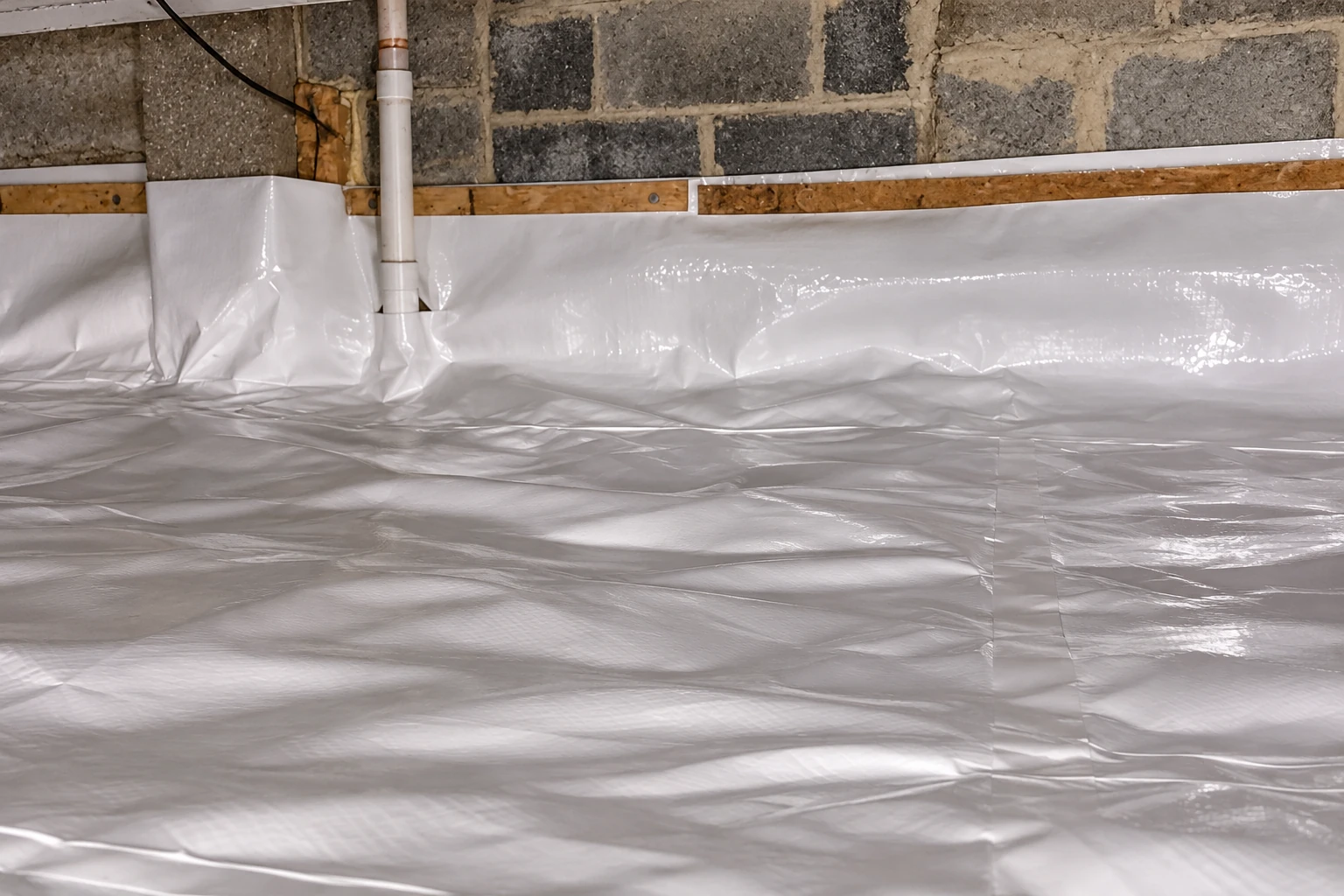
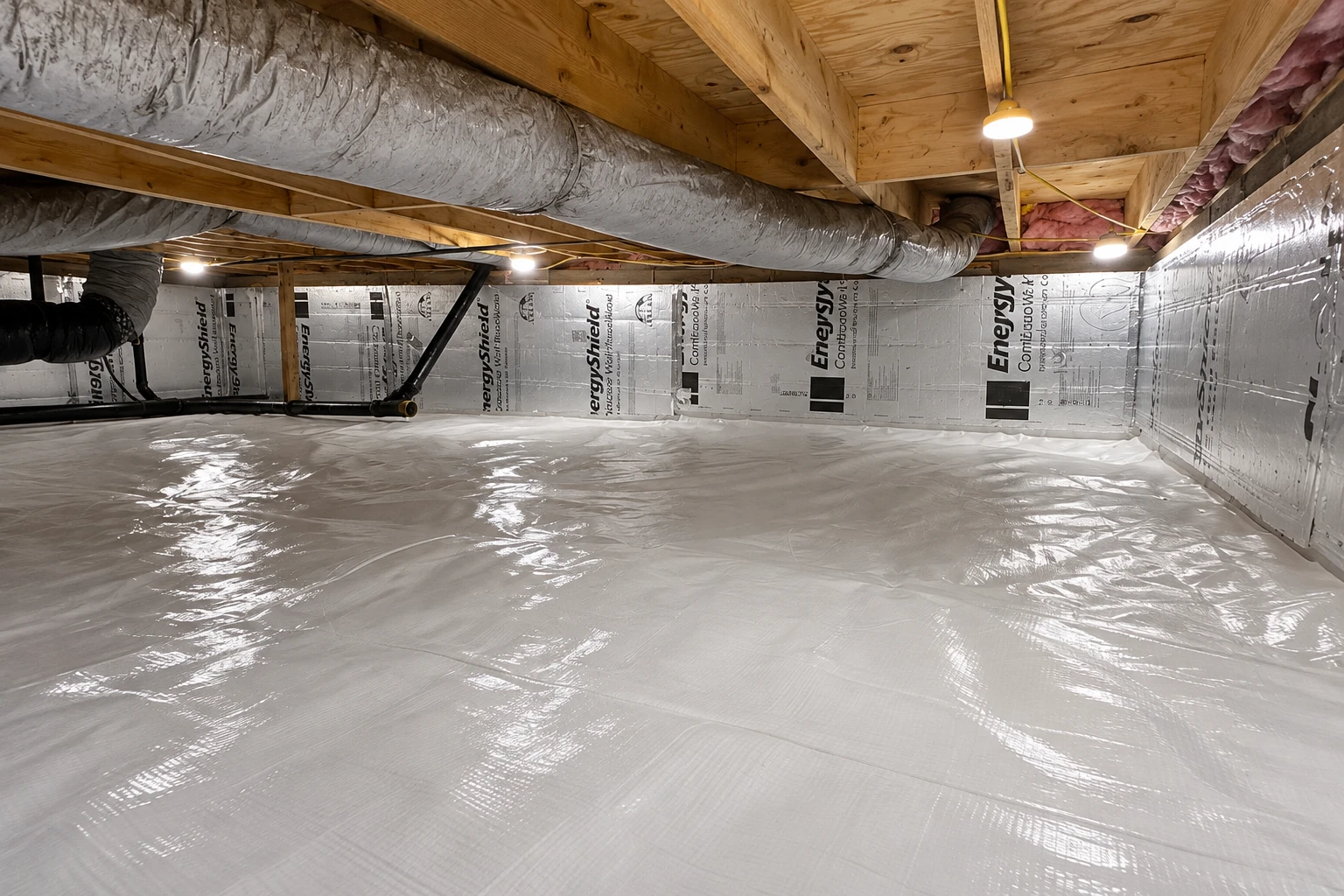
The same foam goes on the walls and roof decks of shops and metal buildings, and our commercial insulation work covers those. The attic is only the top of the house, so if your floors run cold or the space underneath smells damp, a crawl space vapor barrier keeps ground moisture from working up into it.

Open-cell foam at the roofline

This suits a house with ductwork or the air handler up in the attic, because sealing the roofline pulls all of that inside the part of the house you're cooling. Foam costs more than loose fill, but it seals the air and insulates in one pass.

Air sealing and a blown-in top-up

If nothing but Christmas decorations lives up there, air sealing, which closes the gaps around can lights, pipes and the hatch, plus a top-up of loose fill blown through a hose usually gets you more for the money. I'll tell you straight if that's your house.

Why Longview homeowners call Complete Longview Spray Foam Insulation for open-cell foam

The owner climbs up and writes the estimate

I come out myself to look at what you've got and write the estimate, and our own crew lead and installers do the spraying. Plenty of folks have never set foot in their attic, so I'll walk you through what I see and why it matters.

Doing attic work around Longview since 2013

I started out blowing insulation into neighbors' attics on weekends and made it my full-time work in 2013, so that's 13 years at it. The biggest thing I learned early is order, because insulation laid over a problem just hides it until it shows up somewhere worse.

Licensed and fully insured

We're licensed and fully insured, which matters when people are working in your attic around wiring, ductwork and gas lines. If you'd like to talk your attic over, call (903) 309-1886 or fill out the form on this page, and I'll set up a time to come take a look.

Get a free on-site estimate for open-cell foam in your attic

Send the form or call (903) 309-1886 and we'll reply within one business day, and a lot of the time I'm the one calling you back. I'll come out, look at the attic and write a free estimate that spells out which areas and materials the job covers, with no pressure and no obligation. It helps if you know roughly what insulation is up there now, whether a gas furnace or water heater sits in the attic and what you can tell me about your heating and cooling system.

Location
Longview, TX 75601
Hours
Mon–Fri: 8 AM–11 PM, Sat–Sun: 6 AM–10 PM

Open-cell foam insulation permits and code in Longview

Whether a foam job on your house needs a permit is up to the city, so before work starts we check with the building office for the city your house is in, and if a permit is needed, we take care of it as part of the job and tell you up front. In Longview, the online permit portal is set up for contractors and licensed trades, while homeowners after a homestead exempt permit contact the city's Development Services department in person or by phone. If you've got a code question of your own, the city's Building Inspection staff help homeowners as well as contractors with code requirements before a permit is issued.

We're based in Longview and work in the cities around it across East Texas, including White Oak, Kilgore, Tyler and more. A lot of what we see is older houses with the ductwork and a gas furnace or water heater up in a hot attic, plus rooms over the garage that never feel right in July, and that's the kind of house where the foam question and the equipment questions come up together.

Questions Longview homeowners ask about open-cell foam

How much does open-cell foam insulation cost for an attic in Longview?

There's no honest number until someone's been up in your attic, because the roof's size and pitch and the work that has to happen before the foam change it so much. Open-cell typically gives an R-value, how well insulation slows heat, of R3.6 to R4.5 per inch, so the planned thickness tells you a lot about what you're paying for. When you compare bids, ask each one for that thickness so you're weighing the same job.

How long do we have to stay out of the house after spray foam insulation?

Staff at the federal Consumer Product Safety Commission advise leaving the house during the spraying and for at least 24 hours after, so plan somewhere else to stay for the kids and the pets too. That's their advice rather than a rule, and they also suggest talking through safety steps with your contractor. We go over that with you before we schedule, so the timing works for your family.

Is open-cell foam right for spots that can get wet?

Usually not, because open-cell foam can soak up and hold water, while closed-cell foam resists it. Closed-cell is the type FEMA approves as a flood-resistant material, so for anywhere that may flood or stay damp, I'll point you to closed-cell foam instead.

Will my air conditioner need changes after you seal the attic?

It might, because one foam maker's retrofit guide says sealing the attic can leave the system oversized, so it short cycles, running in bursts too short to pull moisture out of the air. The same guide says an HVAC contractor should inspect the system, so plan that visit as part of the project. Some research on hot, humid climates also suggests a sealed attic could leave a house more humid and less comfortable than a vented one, which is one more reason to get the cooling side checked.

Can a gas furnace or water heater stay in a sealed attic?

Not the conventional kind that pulls its combustion air from the attic, because one foam maker's guide says those can't run safely once the attic is sealed. The guide calls for sealed-combustion or power-vented equipment instead, so if you've got older gas equipment up there, leave room in your budget for a possible replacement.

What is the best way to handle old insulation before open-cell foam goes in?

Usually it comes out first. One maker's retrofit guide says contaminants in old insulation left in a sealed attic can cause odors you'll notice in the house, and it calls removal important for cleaner indoor air. That adds a step to the job, and if yours needs to go, insulation removal is part of what we do.

Call (903) 309-1886