
Complete Longview Spray Foam InsulationComplete Longview Spray Foam InsulationRequest an estimate(903) 309-1886

Basement insulation in Longview TX - walls sealed tight against damp and drafts

Cold floors, a musty smell or a damp wall down there? We fix the water first, then foam the walls so the room stays comfortable.

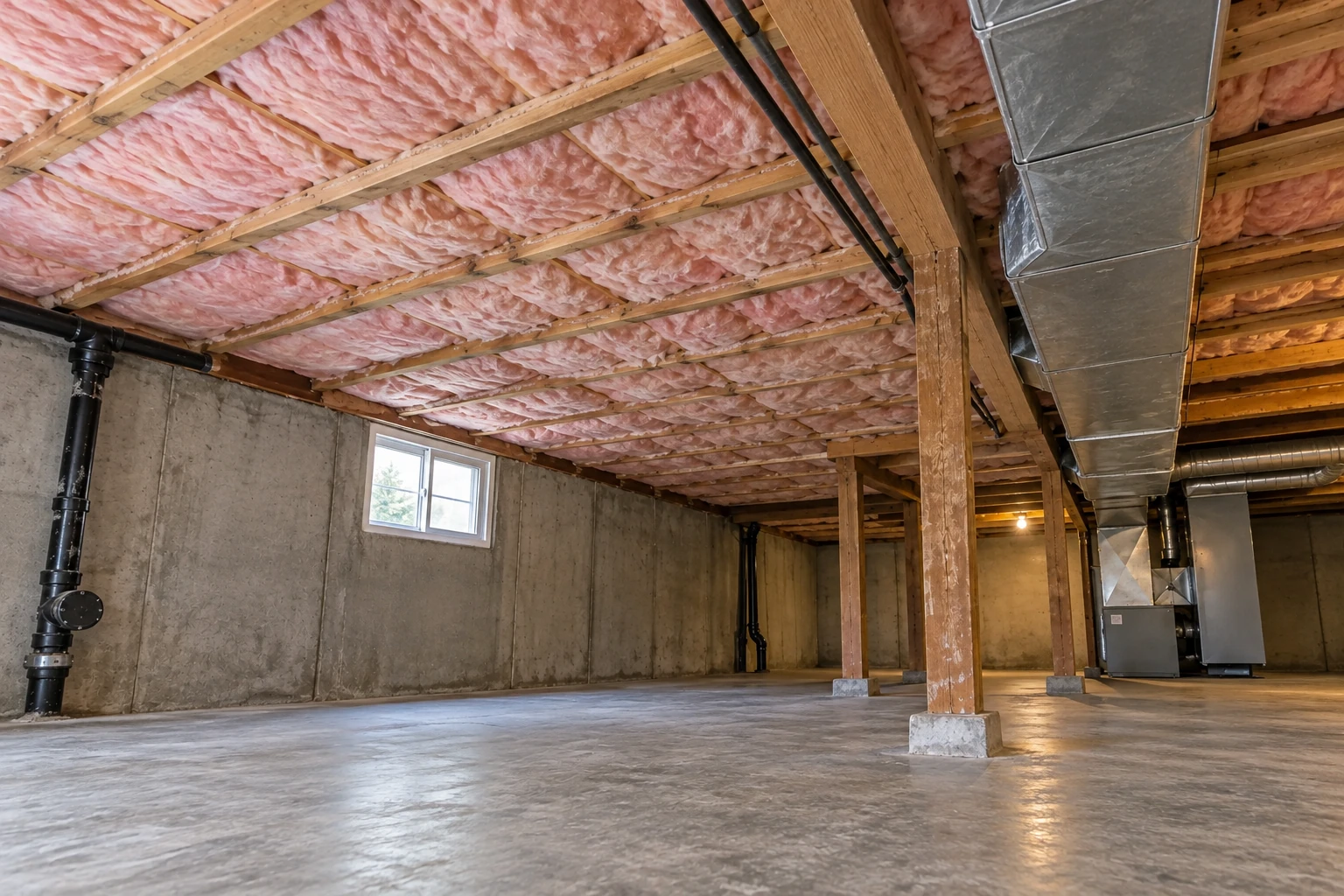
Basement with pink fiberglass batts fitted between ceiling joists above a concrete floor.

What does basement insulation in Longview actually involve?

Basement insulation in Longview means lining the inside of your foundation walls with spray foam or rigid foam board, so the walls stop letting in damp air and drafts and the rooms above stop feeling cold underfoot.

Most folks call me after they notice the downstairs room never feels right, and plenty of them have never looked behind the paneling down there, which is exactly why I come out and look. What moves the price is how much wall there is, whether there's water to fix before we start, which foam we use and how thick it goes on, and how the foam gets covered, since paint for a storage room costs less than drywall for a den. The schedule mostly turns on that water, because a damp wall gets fixed and dried before anything goes on it, and my estimate lays out which areas and which materials the job covers so you know what you're paying for. If your house sits over a crawl space instead, that's a different job, and our crawl space insulation page walks through it.

How we handle basement insulation, start to finish

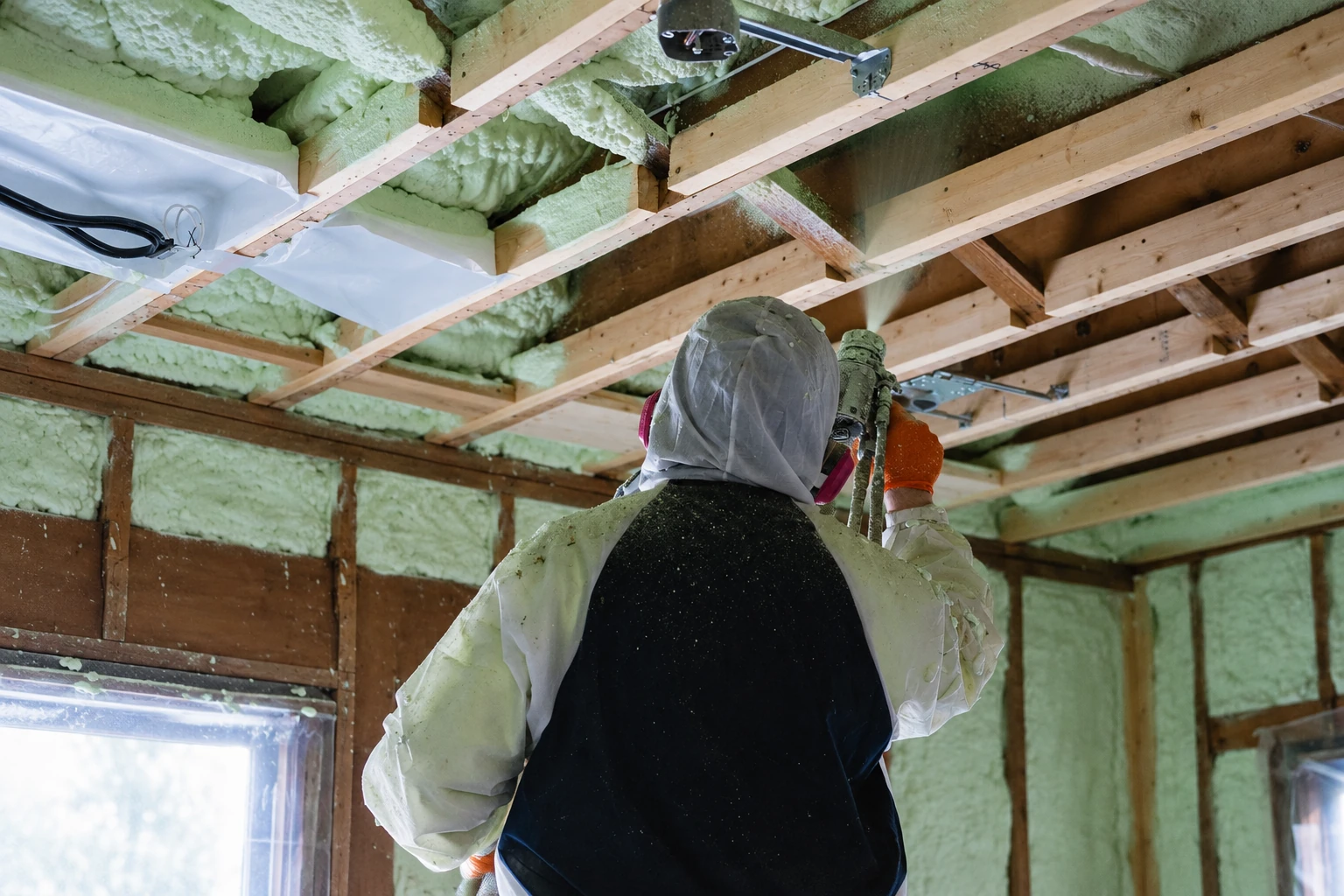
I start by walking the space with you, because plenty of houses around here have a partly below-ground room instead of a true basement, and the plan depends on which one you've got. Then I go over every wall, and if one's damp, we track down where the water's getting in and get it fixed and dried before any insulation touches it, since foam over a leak just hides the problem until the framing tells on you. Once it's dry, our crew seals the gaps around pipes and wires and puts foam right against the foundation so there's no air pocket behind it. Federal guidance says spray foam has to be covered with ignition-barrier paint or drywall, so we plan that covering into your price from the start instead of springing it on you later.

Most basement estimates come down to which foam goes on the wall. Closed-cell foam insulation is the dense foam that blocks moisture, and it's what I usually reach for against a foundation. Open-cell foam insulation is lighter and softer, so it tends to earn its keep above ground, in walls and attics where moisture isn't pushing through concrete.

Foam with ignition-barrier paint

This suits a storage room, a shop corner or the spot where the water heater lives, because you get a dry, sealed wall without paying to finish it. The paint covers the foam and leaves the wall easy to look over if something changes later.

Foam with drywall over it

This suits a room you plan to use, like a den or a playroom, because the drywall covers the foam and gives you a wall you can paint and hang a TV on. It costs more than paint, and we'd rather you see that on the estimate than find out halfway through.

Why Longview homeowners call Complete Longview Spray Foam Insulation for basement work

I come out and write the estimate myself

When you call, I'm the one who comes out to look at your walls and write up the estimate. Our own crew lead and installers do the work, so the people in your basement are folks I sent, working from the same notes I took.

Doing this full time since 2013

I started out blowing insulation into neighbors' attics on weekends around Longview and went full time in 2013, so that's 13 years now. We're best known for doing jobs in the right order, and a basement gets the same treatment, with water first and foam last.

Licensed and fully insured in your home

We're licensed and fully insured, so you're not the one carrying the risk while our crew works in your house. When you're ready to talk it over, call (903) 309-1886 or send the form on this page, and I'll set a time to come take a look.

Get a basement insulation estimate that spells out every wall and material

Expect a reply within 1 business day, and a lot of the time I'm the one calling you back. I'll set a time to come look at the space, and the estimate is free, done on site and comes with no obligation, listing which areas and which materials the job covers. If you know roughly how many square feet the basement is, or you've seen water or dampness down there, put that in the form.

Location
Longview, TX 75601
Hours
Mon–Fri: 8 AM–11 PM, Sat–Sun: 6 AM–10 PM

Basement insulation in Longview and the cities around it

In Longview, permit applications go to the city's Building Inspection Department, and it wants every application filled out completely before it's turned in. I won't guess whether your basement job needs one, so before work starts we check with the building office for the city your house is in, and if a permit is needed, we take care of it as part of the job and tell you up front. The city's online portal is set up for contractors and licensed trades, so if you'd rather pull a homestead exempt permit yourself, you can reach the city's Development Services department in person or by phone to learn how that works.

Most of Longview sits in Gregg County, with a small piece of the east side reaching into Harrison County, and we work both sides of that line plus the cities around town, from White Oak to Kilgore, Tyler and more. Around here a below-ground room usually spends years as storage for the holiday boxes until somebody decides to make it a real room, and that's often when we get the call.

Basement insulation questions we hear in Longview

How much does basement insulation cost per square foot in Longview?

Across the US, insulating a basement usually runs about $4.50 to $6.40 per square foot. That's a national guide, not our price, and things like water repair, the foam you pick and how it's covered move your job from there. Our estimate spells out the areas and materials so you can compare it fairly.

Do I need to fix leaks in my basement before insulating it?

Yes, the leaks come first. Federal guidance says to inspect the foundation walls and fix any water leaks or moisture problems before insulation work starts, so a damp basement should plan that repair as step one. It's the first thing I look for when I come out.

What is the best insulation for basement walls in Longview?

Foam is the best choice, and closed-cell spray foam gives the best moisture control of anything you can put on the inside of a foundation wall. Open-cell foam has to go on thicker to slow moisture, so ask any contractor which foam they're planning and how thick it goes on. DOE guidance also says fiberglass batts and cellulose shouldn't touch foundation walls, so a quote that puts them there is worth questioning.

How long do we have to stay out of the house after basement spray foam?

It depends on the product, because each spray foam has its own re-entry time, the wait before people can come back in. One maker's guide tells its installers to have people and pets leave during spraying and stay out afterward until that time is up. I'll tell you which foam we're using and what its wait is before the day we spray, so you can plan around the kids and the dog.

What causes a basement wall to stay damp after it's insulated?

Usually it's moisture trapped in the wall, either by an air gap behind foam board or by a finish that won't let the wall dry. Rigid foam boards need to stick fully to the foundation with the edges and seams sealed tight, and DOE guidance keeps plastic sheeting, vinyl or foil wallpaper, and epoxy, oil or alkyd paint off inside basement walls for that reason. If you're finishing the room later, ask us before you pick a wall covering.

Call (903) 309-1886