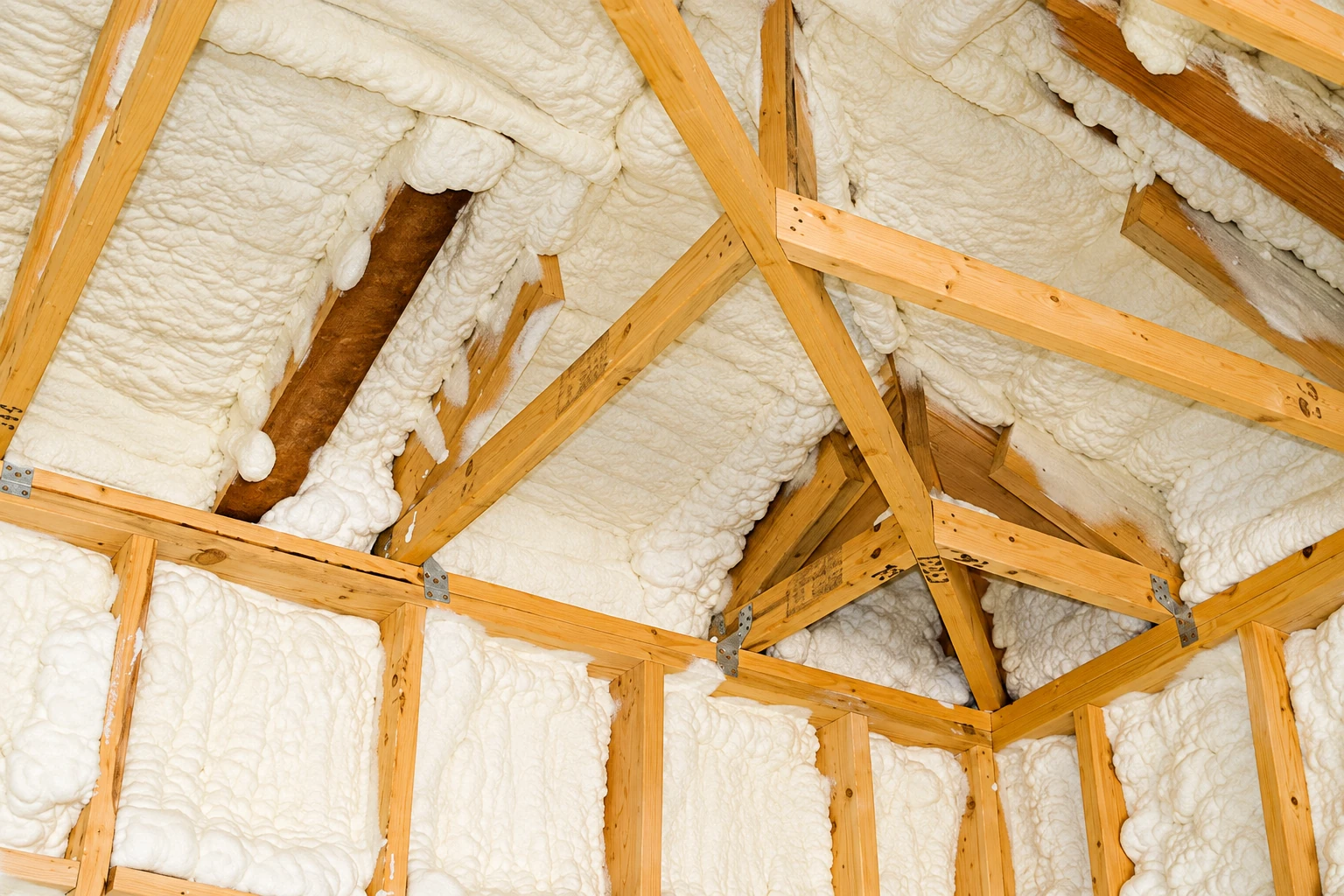
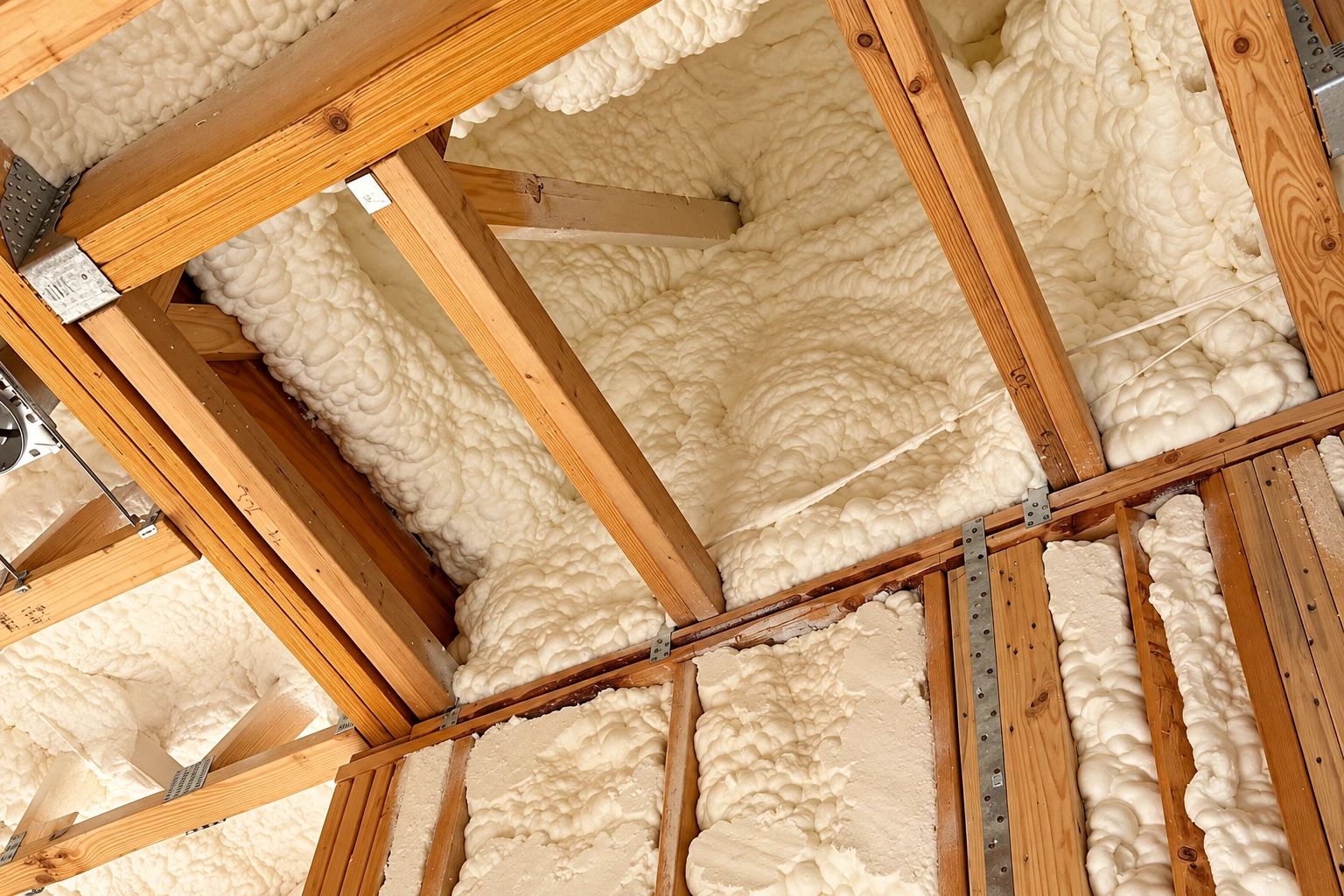
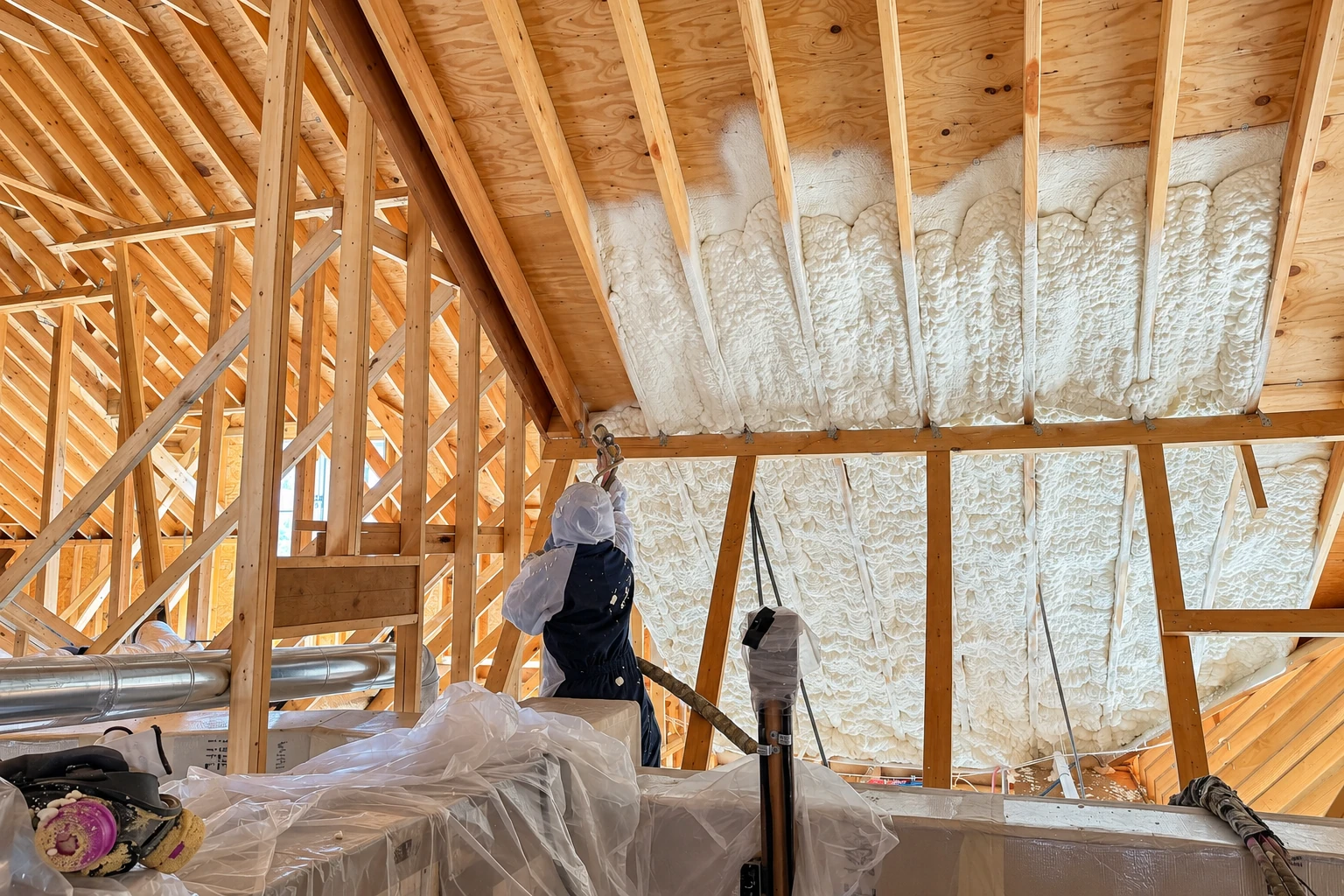
I start by climbing into your attic, crawl space or wherever the foam is going, checking how many inches are already there, how old the house is and whether there's moisture or damage we need to fix first. Then we talk through the big choice, open-cell or closed-cell, based on where the foam is headed, and I price the whole installed job both ways, because the cheaper material isn't always the cheaper job. We plan together when your family and pets will be out, and we go by the foam maker's instructions on that. On the day, our crew covers what needs covering, sprays the foam, goes back over the edges and tight corners where coverage tends to come up thin, and cleans up before we leave.
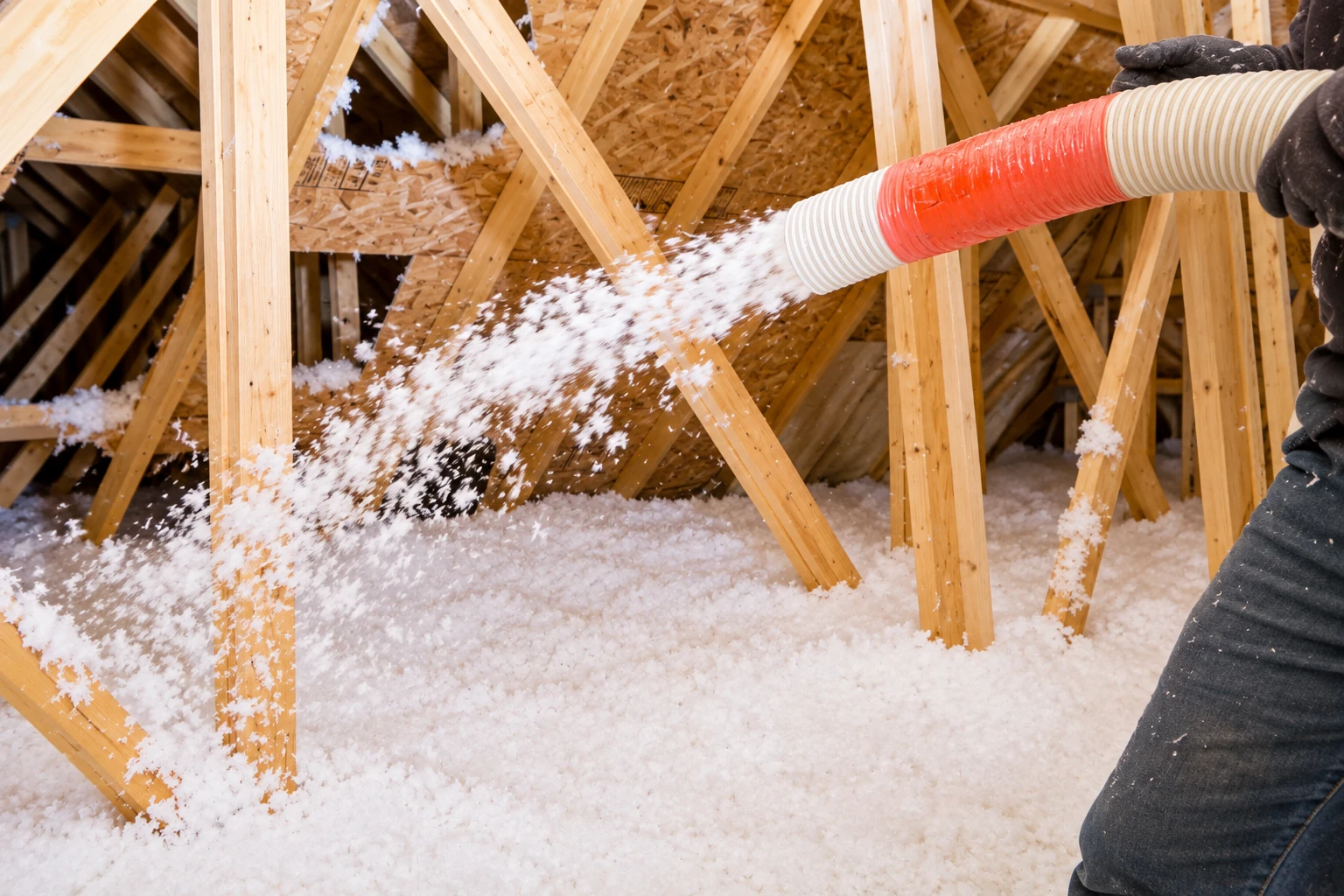
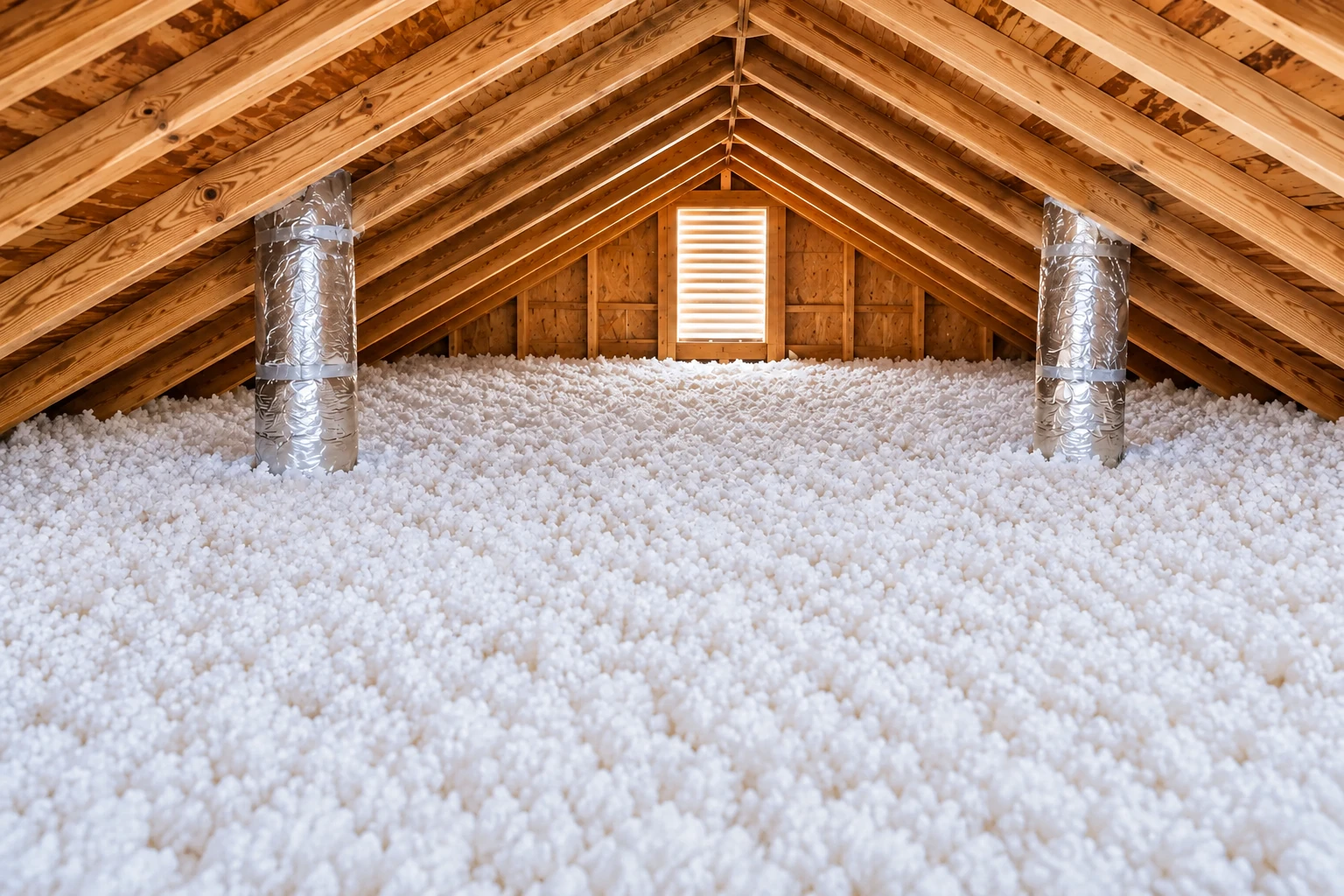
Here's the part a foam guy isn't supposed to say. Foam costs more, and it isn't always worth it. If your ductwork isn't up in the attic, sealing the gaps around lights, pipes and the hatch and then topping up with blown-in insulation, loose fill blown in through a hose, usually gets you most of the way for a lot less, and I'll tell you so. When the ducts do live up there, foam starts earning its keep, and either way our attic insulation work begins with the same honest look at what's up there now.
Open-cell foam for rooflines and inside walls
Open-cell is the softer, spongy foam, and it suits big cavities like the underside of a roof deck or interior walls where you want drafts and noise cut down. It's a good fit when moisture isn't the main worry in that spot and there's room for a thicker layer.
Closed-cell foam for crawl spaces and metal buildings
Closed-cell foam, the dense kind that blocks moisture, suits crawl spaces, rim joists and shops or metal buildings where damp air and condensation cause trouble. It's the one I reach for when moisture is part of the problem and not just heat.