
Complete Longview Spray Foam InsulationComplete Longview Spray Foam InsulationRequest an estimate(903) 309-1886

Wall insulation in Longview TX - filled walls and rooms that hold their temperature

Drafty in winter and hot in summer, even with the attic done? We fill the hollow walls so your rooms hold their temperature.

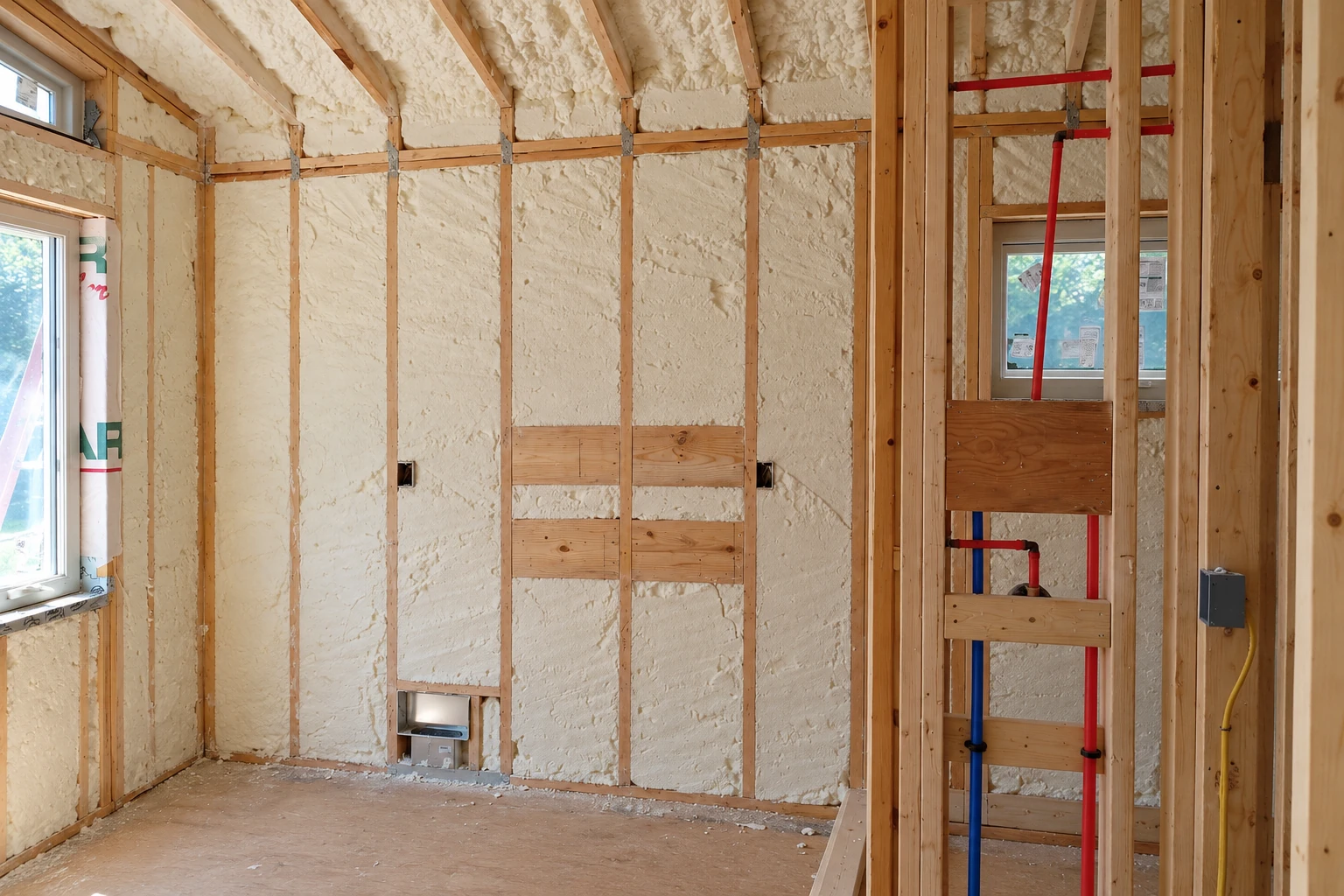
Unfinished room with exposed framing and cream-colored foam insulation on the walls and ceiling.

Is it worth insulating the walls in my Longview house?

Wall insulation fills the empty stud cavities inside your walls with blown cellulose or fiberglass, or with spray foam, so the walls slow heat the way a good attic does. In a lot of homes in Longview, TX, it's the missing piece when the attic is already done and a room still won't hold its temperature.

Most folks call us about one room, usually the back bedroom, the room over the garage or whichever room has the most outside wall. The price comes down to how much wall you want filled, foam or fiber, whether we go in from inside or outside, and how much patching or siding work comes with it. Those same things set the schedule, along with any permit. Complete Longview Spray Foam Insulation checks with your city's building office before work starts and takes care of the permit if one's needed. If nobody's looked at your attic insulation in a while, that's worth a peek on the same visit. Your estimate lists exactly which walls and which materials it covers.

How our wall insulation job goes, start to finish

When your walls are already closed up, we start by sitting down together to decide whether we come in from inside or outside. We also talk plainly about what the patched holes will look like, because nobody wants a surprise row of polka dots across the living room. Before any wall gets filled, I look for leaks, soft spots and old water stains, since insulation packed against a wet wall just hides the trouble until the framing rots. Once the plan's set, our crew covers what needs covering and drills into each stud bay. We fill each bay with a hose and check it's full from bottom to top, then plug the holes and clean up before we leave.

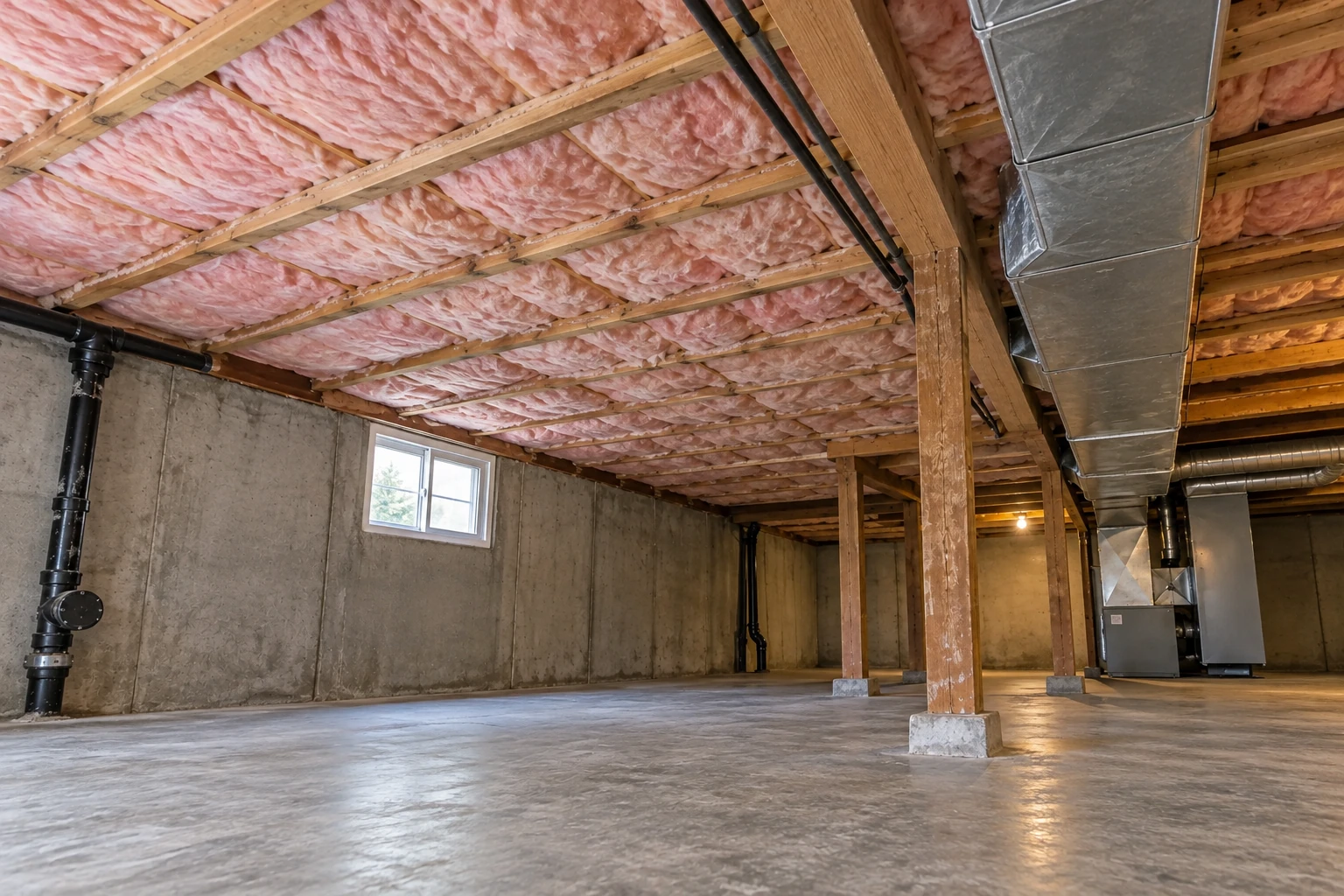
Walls lose a lot of their comfort through the cracks around outlets, windows and the bottom of the wall, so we often pair this job with air sealing services. If sealing is the part worth paying for first, I'll tell you so. If your house is one of the few around here with a basement, basement insulation is its own job with its own moisture questions, and I can look at it on the same trip.

Blown fiber into closed walls

This suits most finished homes, because we fill the cavities through small holes instead of tearing out drywall. Cellulose or fiberglass goes in through a hose, and the main choice left is whether the holes go in your drywall or behind your siding.

Spray foam where the walls are open

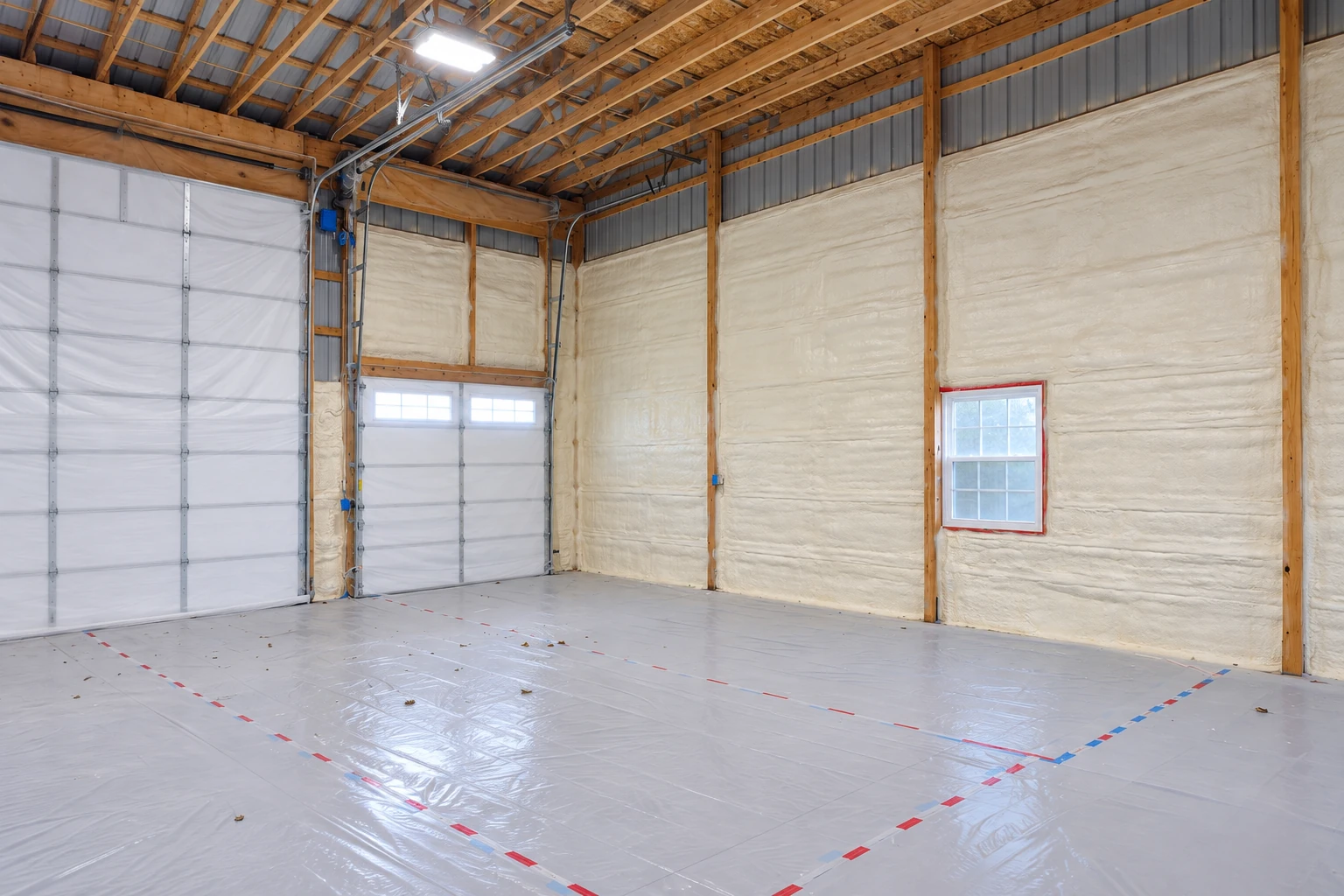
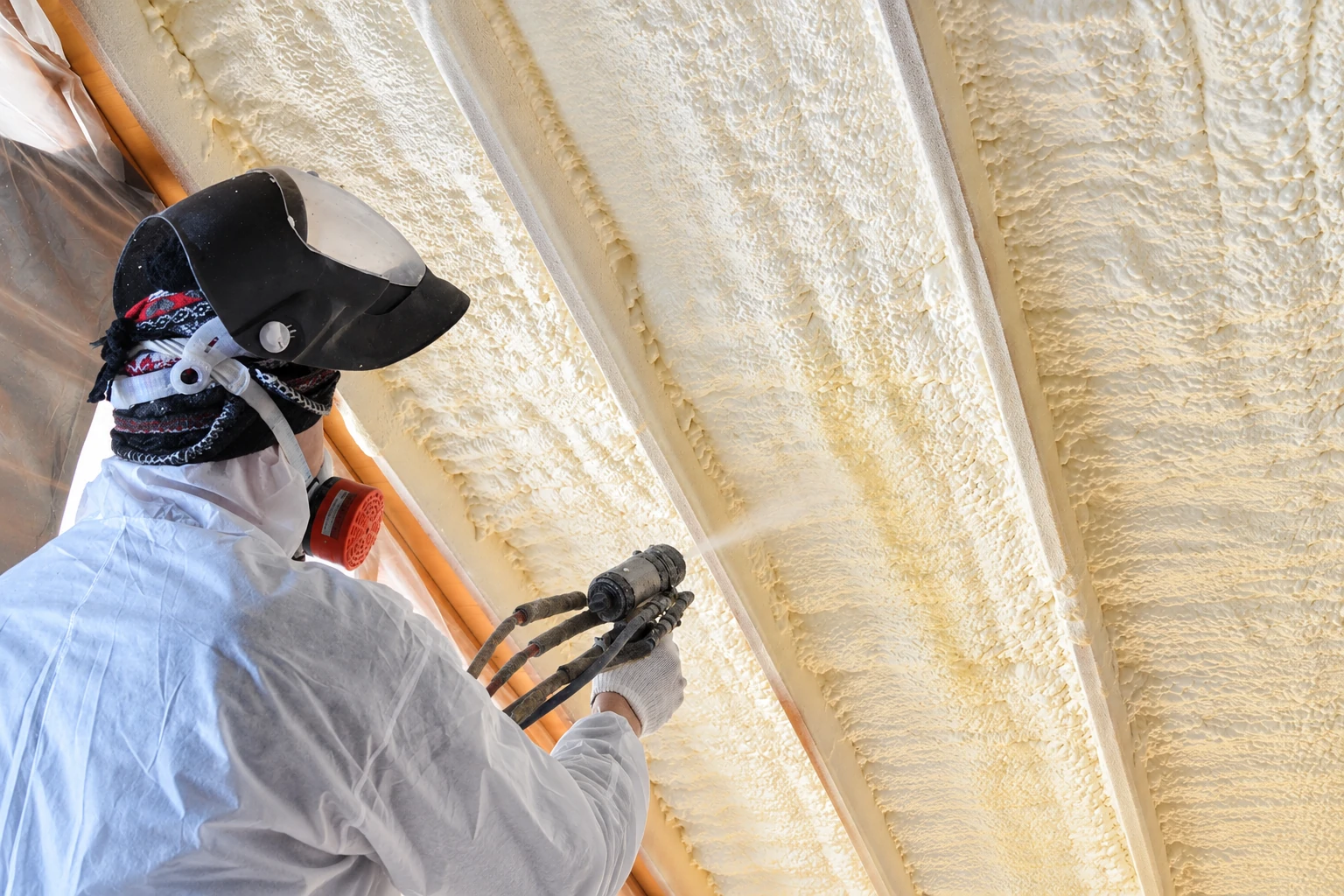
This suits a remodel, an addition or a gutted room, when the studs are bare and we can spray straight into each bay. It costs more than fiber, so I'll only point you to it on walls where a tight seal really matters.

Why Longview homeowners call us for wall insulation

The owner looks at your walls

When you call, I'm the one who comes out, looks over your walls inside and out, and writes the estimate. Our own crew lead and installers do the work, so the people drilling into your house are our people, not a crew hired for the day.

Doing it in the right order since 2013

I started out insulating attics for neighbors around Longview on weekends and went full time in 2013. I learned early that insulation laid over a leak just hides it, so we look for the problem first and tell you about it before a single wall gets filled.

Licensed and fully insured on every job

We're licensed and fully insured, so you're not carrying the risk of having a crew drilling into your walls. When you're ready to talk it over, call (903) 309-1886 or send the form on this page, and tell me which rooms bother you most.

Get a free on-site estimate for your walls

We reply within one business day, and a lot of the time I'm the one calling you back to set a time to come look. The estimate is free, done at your house with no pressure and no obligation, and it spells out which walls and which materials the job covers. It helps if you can tell me which walls you want filled, what's on them inside and out, and whether new siding is in the plans.

Location
Longview, TX 75601
Hours
Mon–Fri: 8 AM–11 PM, Sat–Sun: 6 AM–10 PM

Wall insulation in Longview and the permits that can come with it

The City of Longview decides whether a wall job needs a permit, and that isn't settled for every job, especially when the insulation is part of a bigger project like a remodel. If you have code questions before anything is filed, the city's Building Inspection staff are there to help homeowners. If you plan to pull a permit yourself on the home you live in, contact Development Services in person or by phone to learn the process. When a permit is pulled, the application has to include paperwork showing the work meets the energy code. That's part of why we check with the city before we start, like I said up top.

Around here we see a lot of older wood-frame houses that were built with nothing in the walls. We also see plenty of brick-front ranch houses, where going in from inside usually makes more sense than drilling the brick. We're based in Longview and do the same work in the cities around it, including White Oak, Kilgore, Tyler and more across East Texas.

Questions Longview homeowners ask about wall insulation

How much does wall insulation cost in Longview, TX?

Across the US, installing blown-in wall insulation usually costs about $4 to $4.50 per square foot, and that's the going market rate, not our price. Treat it as a ballpark for blown fiber, because spray foam costs a good deal more and patching or siding work adds to it. I'll give you your own number once I've seen the walls.

How do I get insulation into walls that are already closed up?

The usual way is to drill a series of holes through either the outside sheathing or the inside wallboard and blow cellulose or fiberglass into each stud cavity. Going in from outside can mean pulling a few small pieces of siding, and the patched holes may show unless new siding or trim covers them. A dense-pack fill, which is fiber packed in tight, insulates better, settles less and lets less air through the wall. It pushes hard on the wall, though, so it only fits walls that are well sealed and sturdy enough to take it.

Is spray foam worth the higher price for my walls?

For most walls, no, because spray foam costs a lot more than fiber even though it seals and insulates in one step. It pays off on a wall that needs a perfect air barrier, like the one between your house and the garage, where you don't want hot garage air and fumes coming through. If foam isn't worth it on your walls, I'll tell you straight.

What causes moisture problems in insulated walls?

Water getting into the wall with no way back out is the usual cause, because fiber insulation can hold moisture. Wet insulation works worse and can lead to mold and wood rot. The standard advice is that walls should shed water and dry toward the outside, with a continuous air barrier in place. Insulation trade guidance also warns that in warm, humid weather even vinyl wallpaper can cause moisture trouble in a wall, so mention it if you've got some on an outside wall.

What is the best way to time wall insulation with new siding?

The standard advice is to fill the walls while the old siding is off, because if an uninsulated wood-frame wall is open, that's the easy time to drill the sheathing and blow insulation in before the new siding goes on. Every hole ends up hidden behind the new siding, so the patching question mostly goes away. If you've got siding work coming, I'll suggest we line the two jobs up.

Call (903) 309-1886