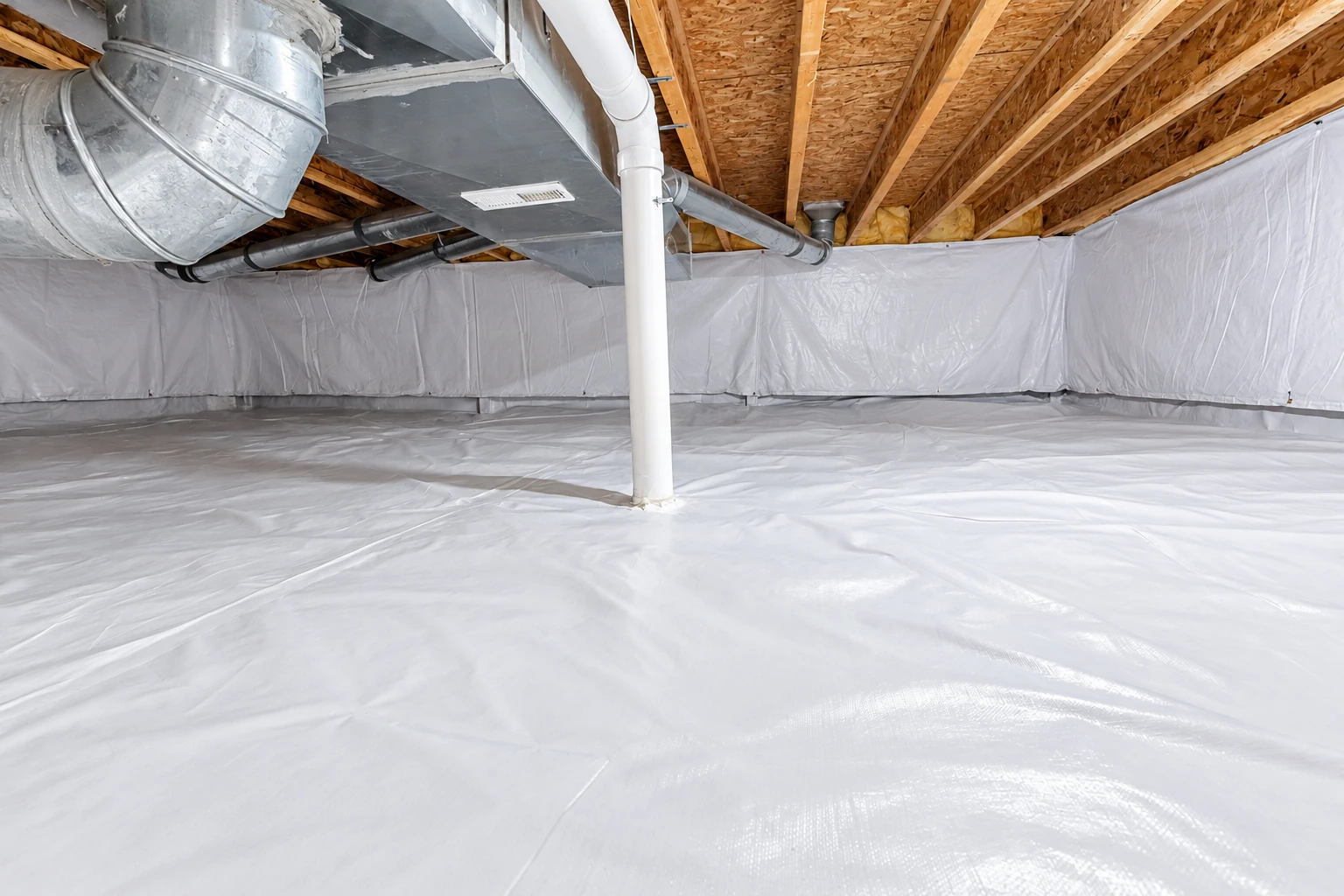
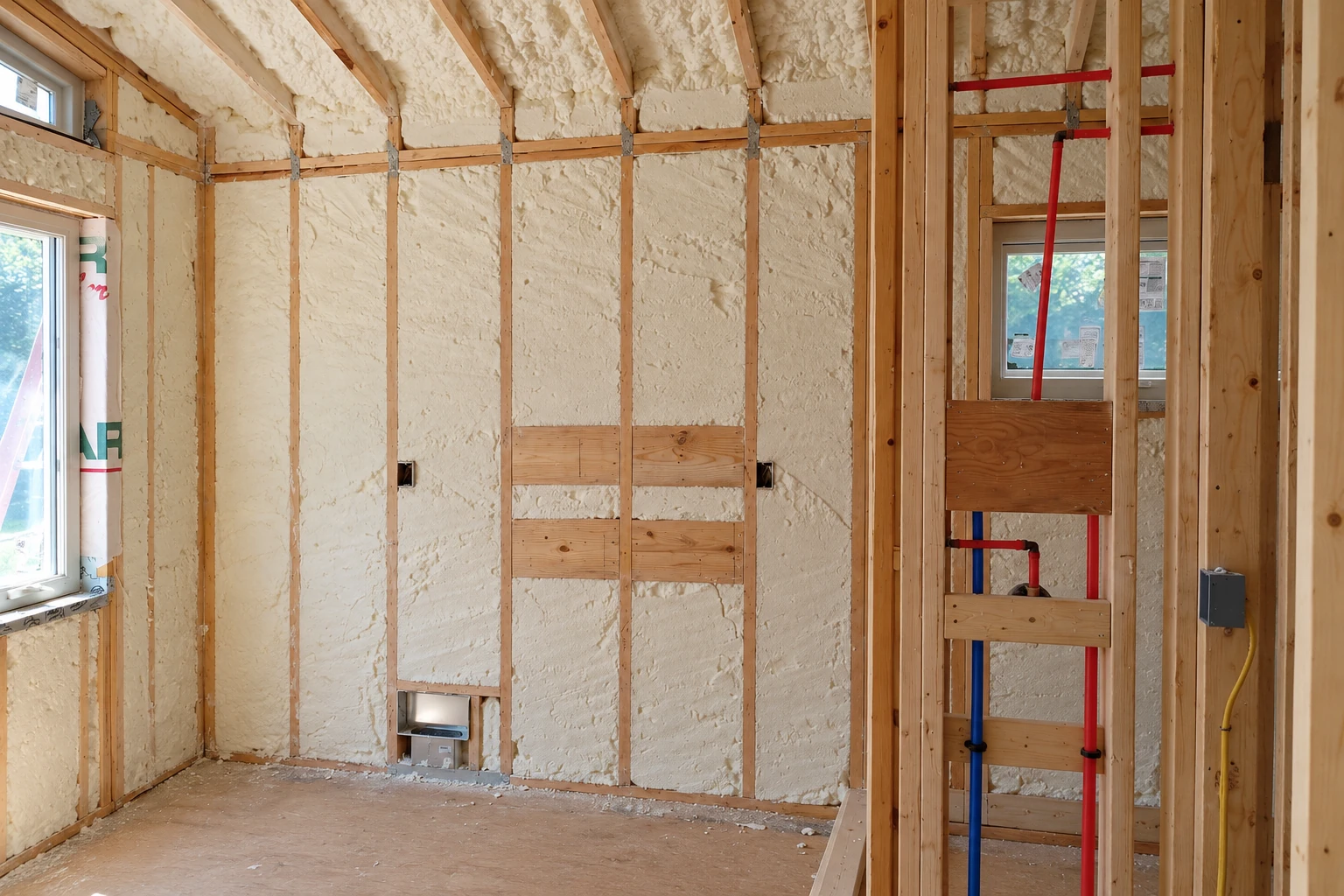
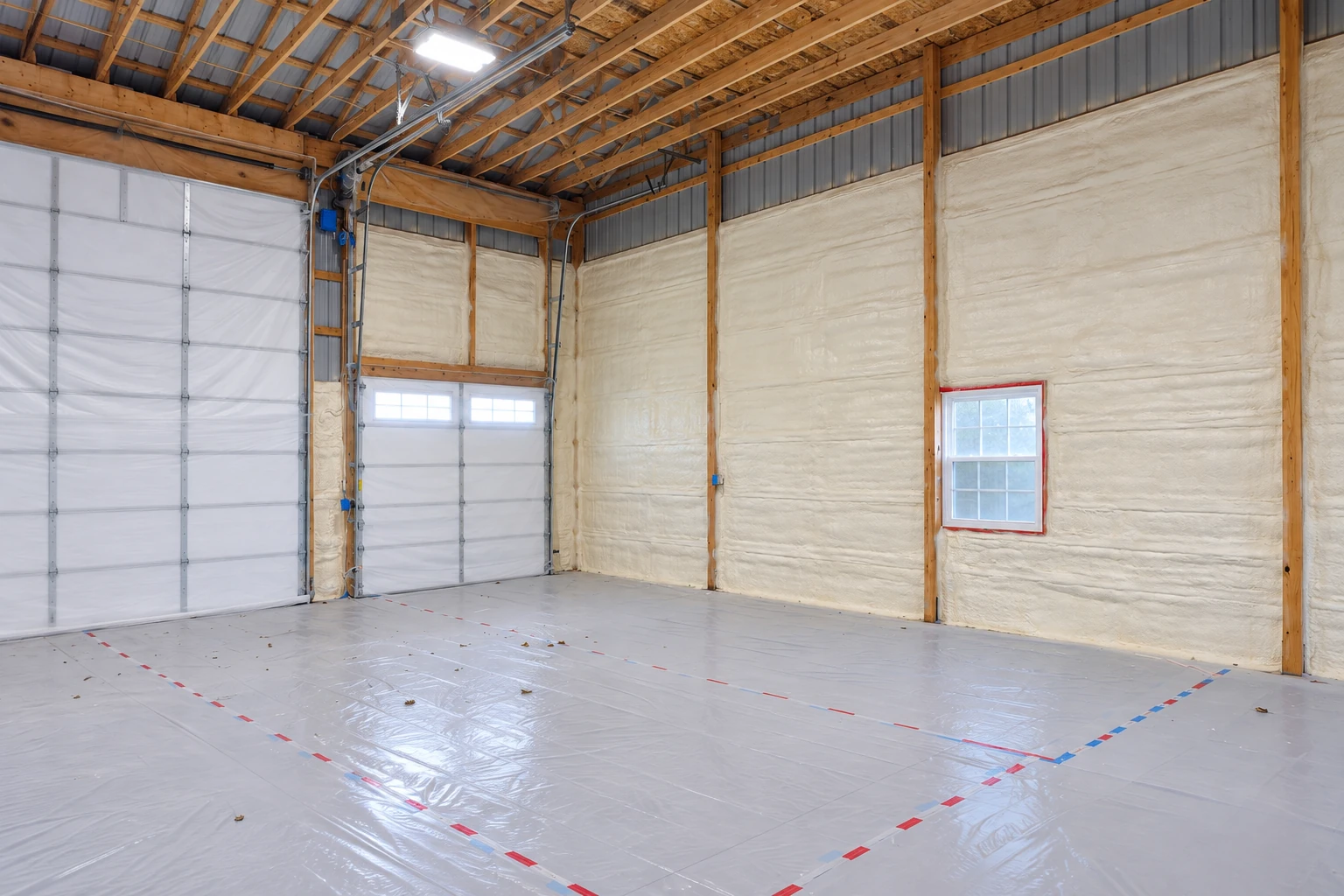
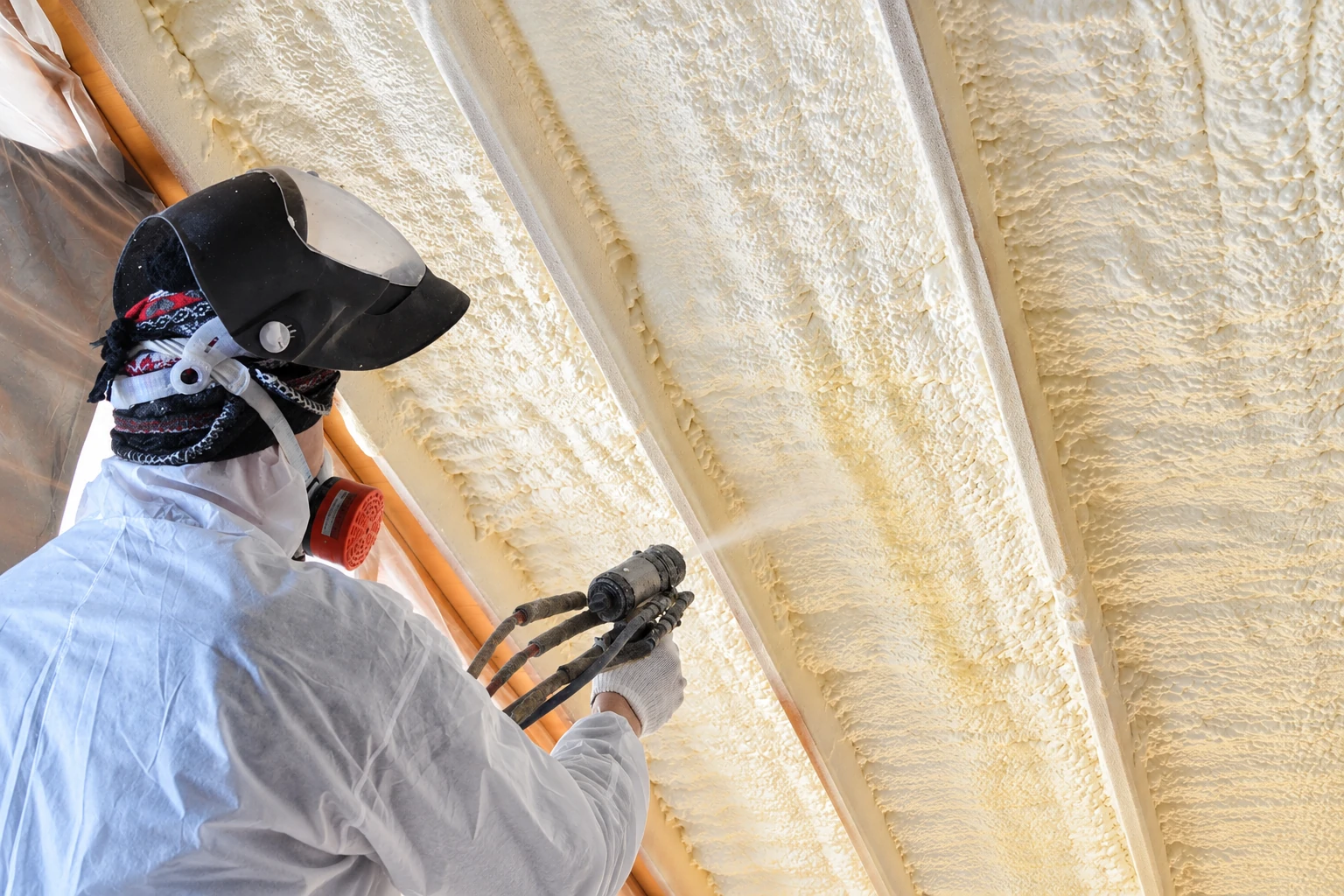
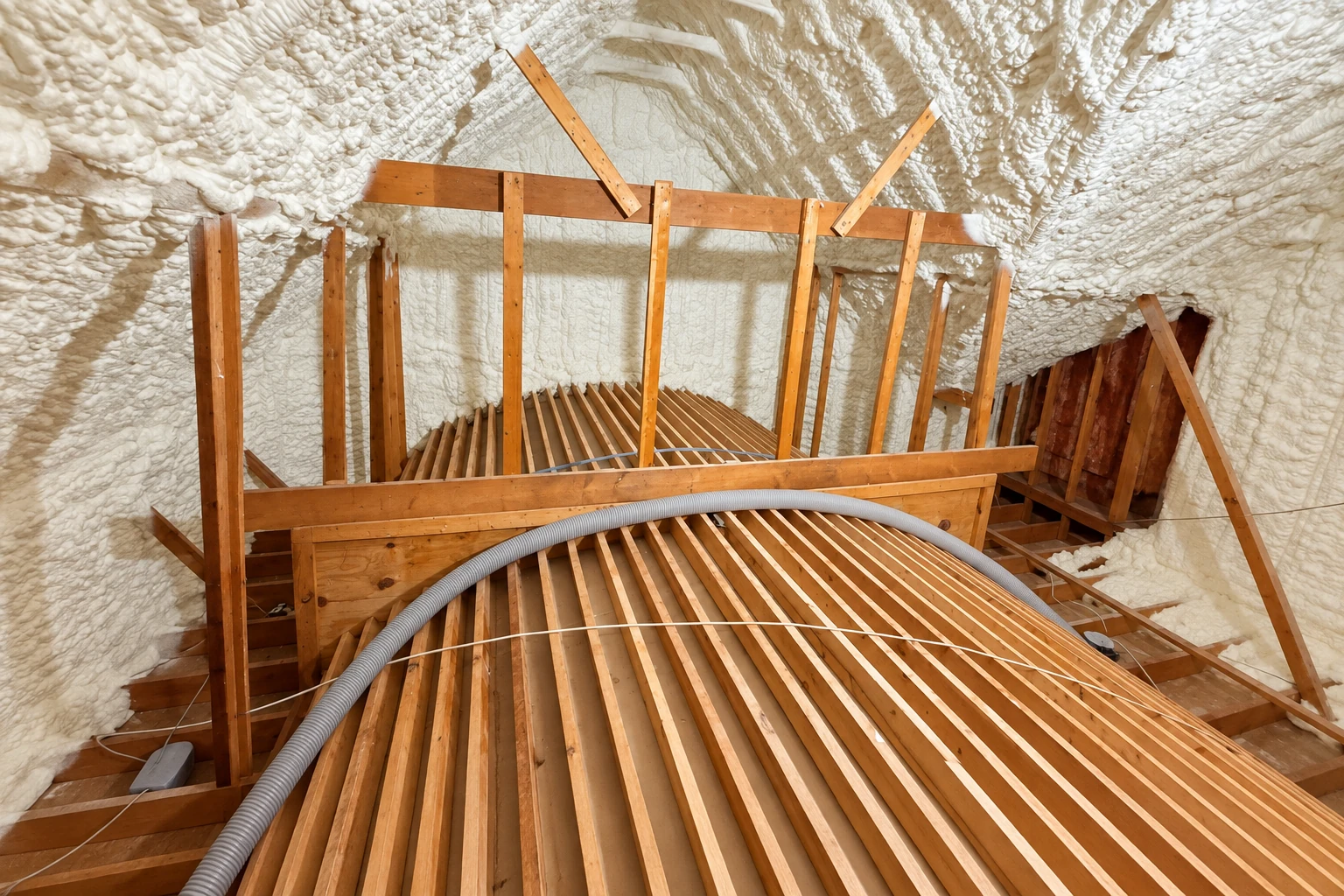
I start by crawling under the house with a flashlight, looking for standing water, damp wood, sagging old batts and any gas furnace or water heater down there, because those decide the whole job. Then we sit down with you and work out whether to insulate the floor above or close the crawl space in and do the walls, since moisture and fuel-burning equipment push that choice one way or the other. On the job, our crew pulls out anything wet, moldy or full of droppings first, because new insulation over a mess just hides it. Then we seal the gaps around pipes, wires and ducts so the insulation isn't fighting a draft, install the insulation and clean up after ourselves. The one thing we won't do is shut the vents and walk away, because closing a crawl space without the rest of the work can leave it wetter than before.
Cold floors are often one piece of a drafty house, so we look at the rest while we're there. If air is slipping in around outlets, windows and the attic hatch, our air sealing services close those gaps, and if your outside walls feel cold to the touch, wall insulation may do more for you than anything under the floor. I'll tell you which of those are worth the money and which aren't.
Insulating the floor above
This suits a vented crawl space that stays fairly dry, with no ductwork or gas equipment living down there, because you're only protecting the floor and the space below can keep breathing. It's usually the less expensive route, as long as the moisture under the house is under control.
Closing the crawl space and insulating the walls
This suits a house with ducts, a water heater or plumbing running through the crawl space, because closing it in keeps all of that on the house's side of the insulation. It costs more and takes more planning, but if your ducts run down there, I usually lean this way.