
Topping up what's already there
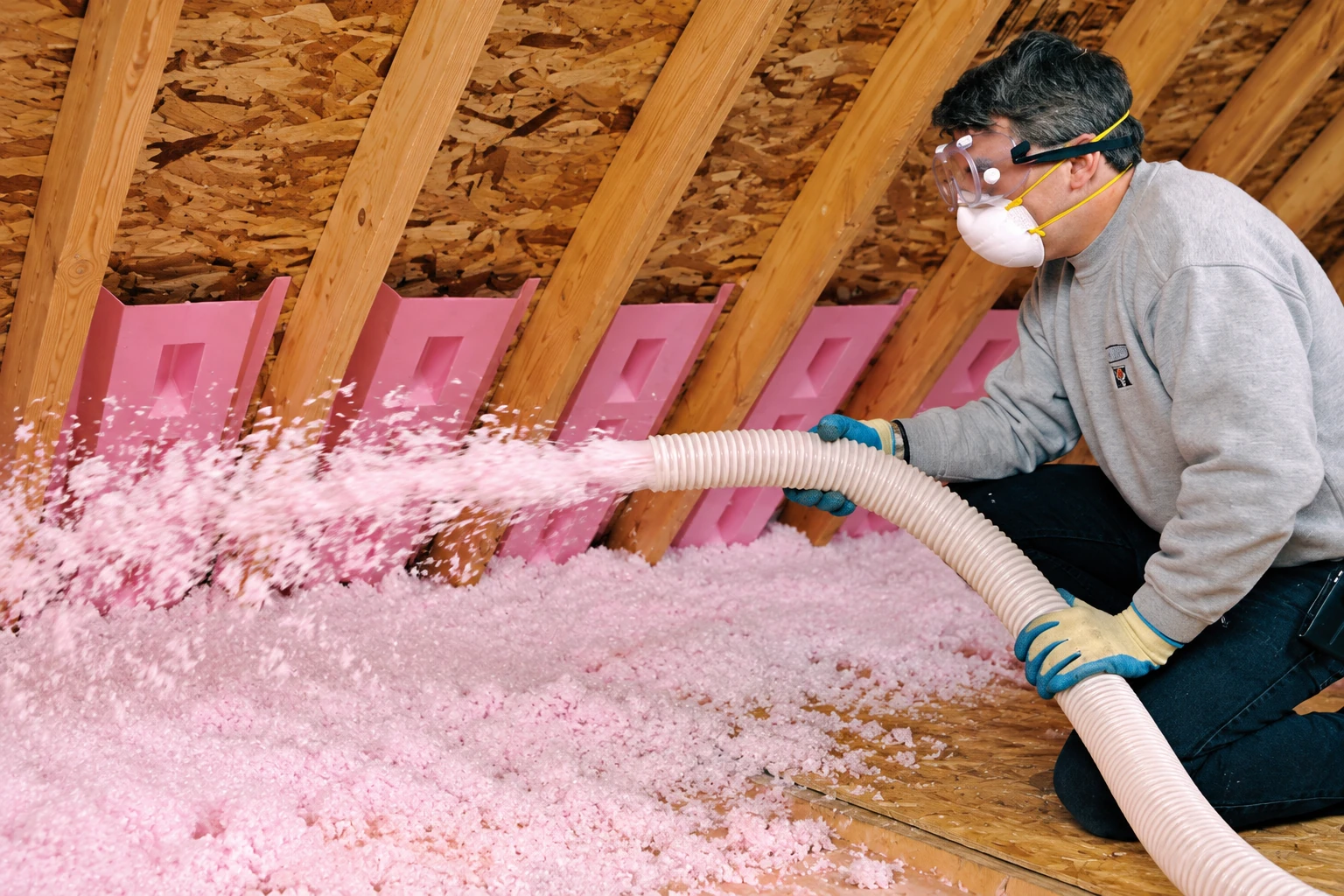
This suits an attic where the old layer is dry, clean and just thin, which is what we find in a lot of older houses. We seal the gaps, then blow new material right over it to bring the whole attic up to an even depth.
Hot upstairs rooms and a power bill that keeps climbing? We seal the gaps first, then blow in the full amount of cellulose or fiberglass.
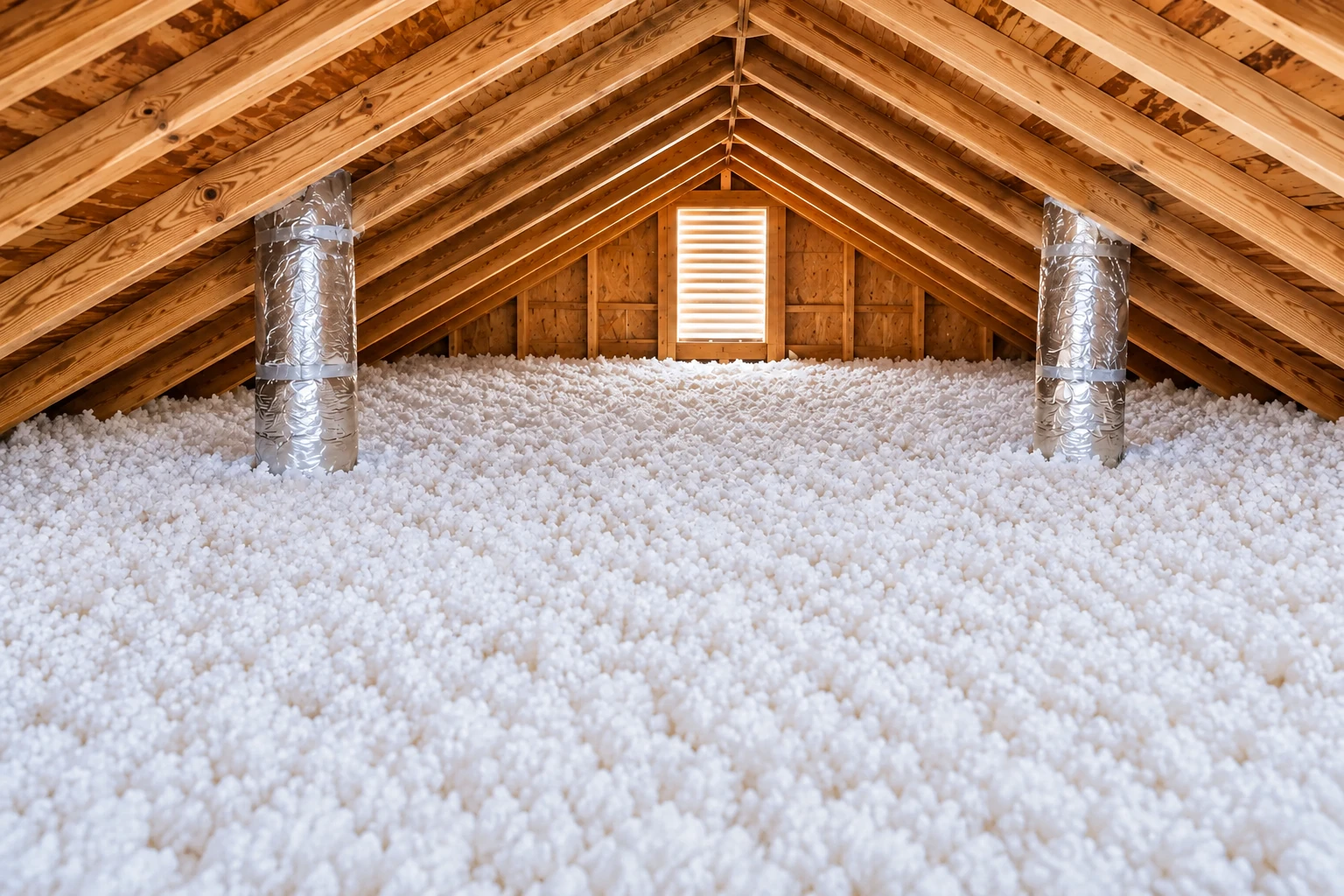
Blown-in insulation is loose fill, either cellulose or fiberglass, that we blow through a hose across your attic floor once the gaps in the ceiling are sealed, and in Longview it's a straightforward way to bring an existing attic up to a thick, even layer that slows the heat soaking down from the roof.
Most folks call because the upstairs is hot by mid-afternoon, the room over the garage never cools off, or the power bill jumped and they've never been up in their own attic to see why, and honestly, I don't blame anybody for skipping that trip in August. The price moves with the size of your attic, how many inches are already up there, which material you pick and whether anything has to be fixed or pulled out first, and the schedule mostly turns on that same prep, since a leak or a bad layer gets handled before anything new goes in. That's why we often pair this with attic air sealing, and your estimate spells out which areas and which materials your job covers.
I'm the one who comes out, goes up through your hatch, checks what's already there and writes the estimate, so you're talking with the person who knows the trade. Our own crew lead and installers do the work, and they show up knowing what I found.
I started out blowing attics for neighbors on weekends, and in 2013 it became my full-time work. The lesson that stuck is to do it in order, so the leak gets fixed and the gaps get sealed before any insulation goes in, because doing it backward just hides the problem.
We're licensed and fully insured. Ask to see the paperwork when I'm out for the estimate, because you ought to know who's working over your ceiling before anyone climbs through the hatch. When you're ready, call (903) 309-1886 or send the form on this page.
Call or send the form and expect a reply within 1 business day, and a lot of the time I'm the one calling you back. I'll come out for a free estimate at your property that spells out which areas and materials the job covers, with no pressure and no obligation. If you know your attic's rough square footage, or you've seen leaks, old wiring or vermiculite up there, have that handy.
In Longview, the city's building department is where permits come from, and its staff give homeowners and contractors the information and code requirements before a permit is issued. Before work starts, we check with the building office for the city your house is in and find out what it asks for on your job, and if a permit is needed, we take care of it as part of our work and tell you up front. The city's latest energy code update left things as they were, so the code an attic job here is held to hasn't changed.
We're based in Longview and work in the cities around it across East Texas, including White Oak, Kilgore, Tyler and more. In the older houses around here we often find a thin layer that's settled flat, bath fans blowing straight into the attic and ductwork running across the attic floor, so the first visit is about seeing what's actually up there before anybody talks about adding more.
Weigh how well it blocks air against how it handles water and what it costs, because cellulose slows airflow better but breaks down if it gets soaked, while fiberglass isn't permanently hurt by a soaking and costs more. Cellulose also settles more, about 10 to 20 percent over time against 2 to 4 percent for fiberglass, so a cellulose layer thins more over the years. If your roof has a history of leaks, I'd lean fiberglass, and if it's sound and you want the most airflow control for the money, cellulose is a good pick.
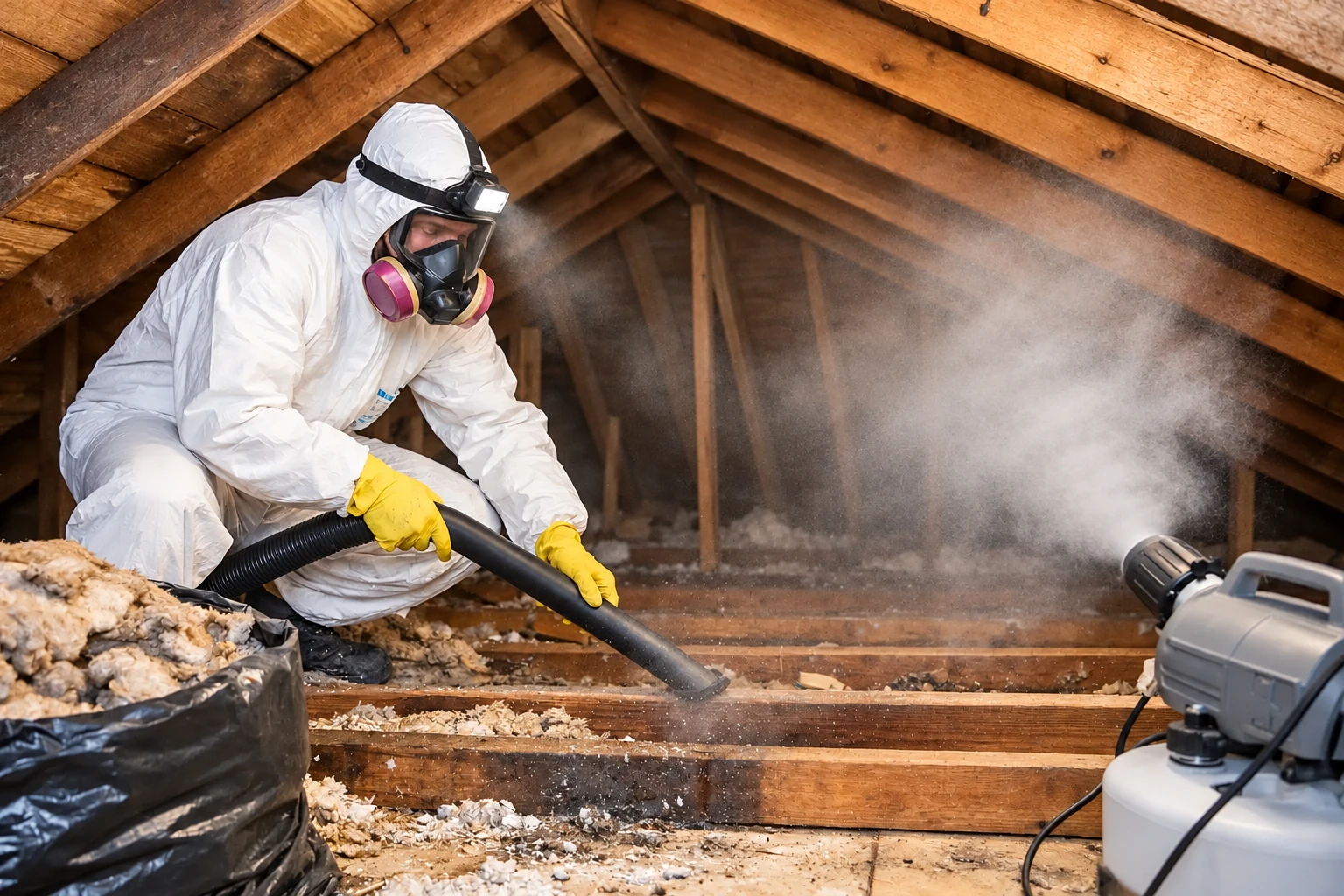
The attic gets checked first for active knob and tube wiring, an old style of exposed wiring, plus vermiculite insulation, bathroom fans venting into the attic, roof leaks and unvented kerosene heaters or gas fireplaces, because each one has to be dealt with before anything is blown over it. Standard guidance then calls for solid blocking over big holes and open soffits, metal collars around hot flues, and covers over recessed can lights that aren't rated for contact with insulation. I walk you through what I found at the estimate, so nothing gets buried that shouldn't be.
Insulation in Longview usually costs about $1 to $6 per square foot, and that's the going rate for insulation work around here in general, not our price for your attic. Where your job lands depends on the material, how deep you're going, how much sealing and prep it needs and whether old insulation has to come out first. Your estimate puts your attic's own number on paper.
Fiberglass can, but cellulose isn't recommended for mobile home ceilings or floors because it's relatively heavy. Lighter fiberglass may be used there, so if you've got a mobile home, that's the material we'd talk through with you.
It can for some households, because SWEPCO's weatherization program helps pay for insulation. Underserved households that meet federal poverty guidelines for annual household income may get it at no cost, so it's worth checking with SWEPCO before you decide.