
Complete Longview Spray Foam InsulationComplete Longview Spray Foam InsulationRequest an estimate(903) 309-1886

Home insulation in Longview TX - a house that stays even from room to room

Hot upstairs, cold floors and a power bill that climbs every summer? We seal the gaps first, then insulate where your house needs it.

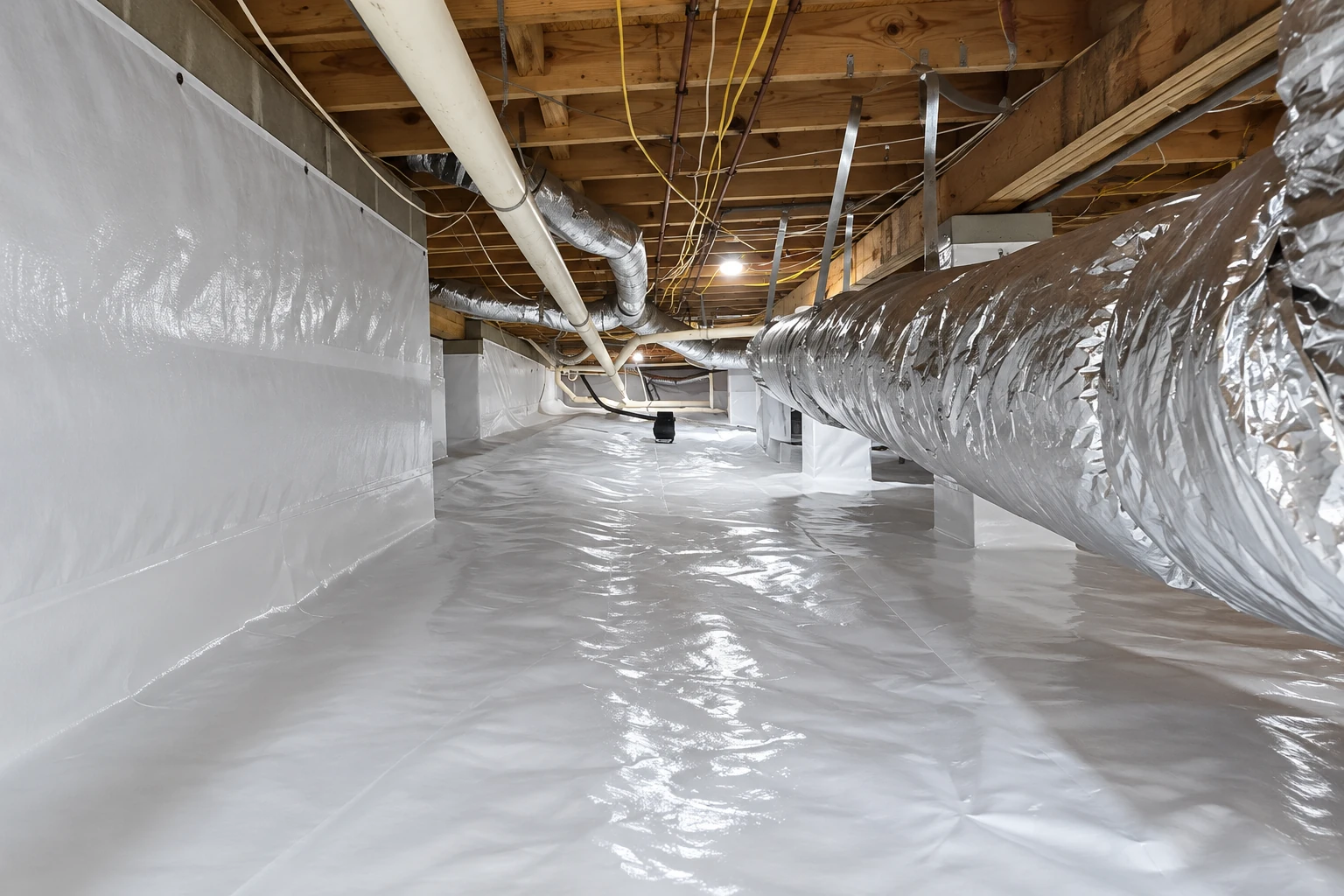
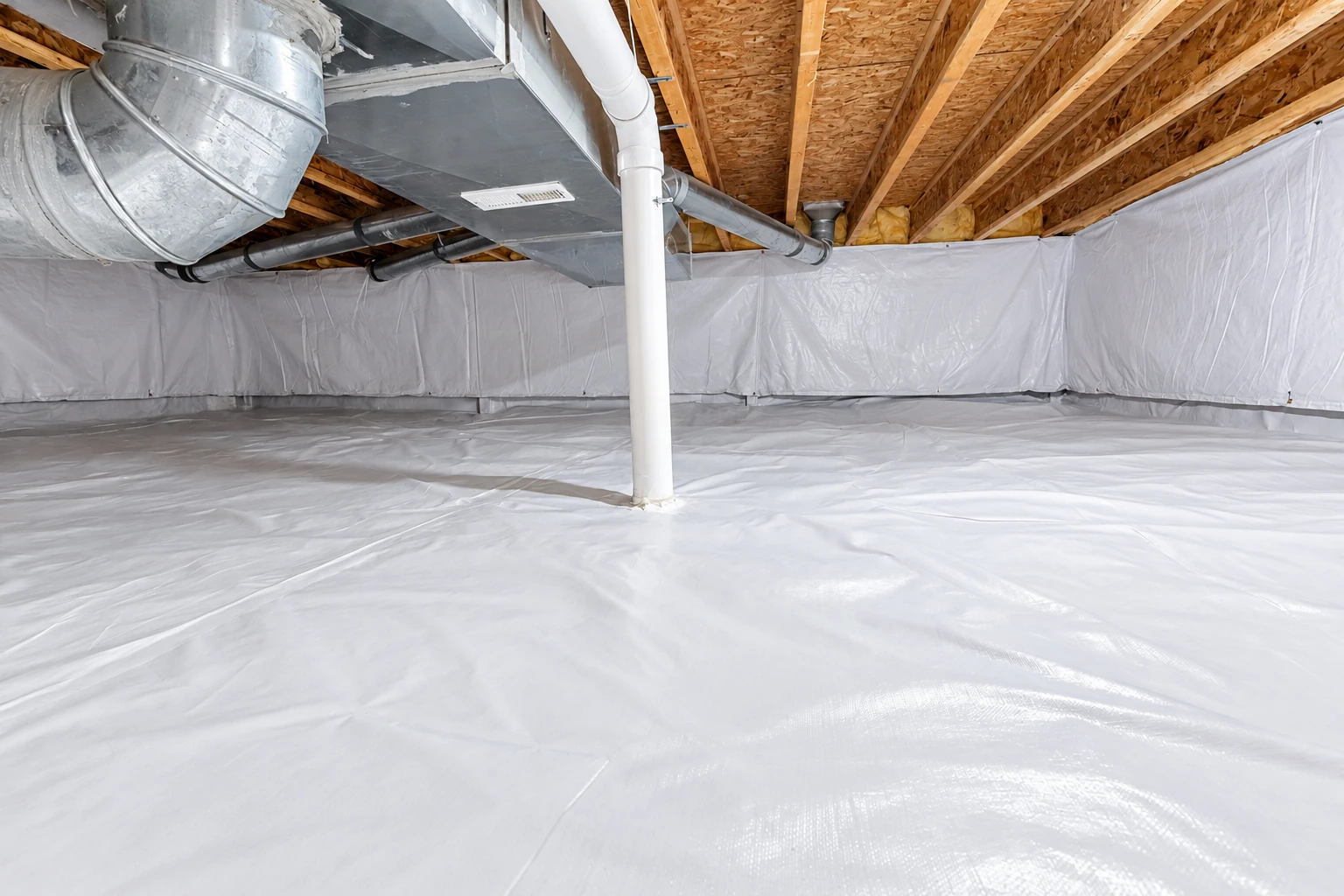
A crawl space has a white plastic vapor barrier across the floor and walls, with large metal ducts overhead.

What does insulating a whole house in Longview involve?

Home insulation in Longview means sealing the air leaks around your house and then adding insulation to the attic, floors, crawl space and rim joists, the boards sitting on top of the foundation, so your rooms hold the temperature you're paying for.

Most folks call because the room over the garage never cools off, the floors are cold in January or the power bill keeps creeping up, and usually it's a handful of gaps and thin spots adding up rather than one big problem. The price turns on how much of the house we cover, how many inches are already up there and what shape they're in, how easy the attic and crawl space are to reach, and which material fits. The schedule turns on the same things, plus anything that has to be fixed or pulled out before new material goes in. Plenty of people have never set foot in their own attic, and I don't blame them in August, so I start with a look up there the same way I would for attic insulation, and the estimate spells out which areas and which materials the job covers.

How we handle home insulation, in the right order

We build the plan in order. I start with a walk through the house and a look in the attic for anything that has to be fixed before insulation goes in, because insulation laid over a leak just hides it. Then our crew does the air sealing, closing gaps around can lights, pipes, wiring and the attic hatch so the new insulation isn't fighting a draft. The attic comes next, filled evenly out to the edges instead of piled high in the middle, with the eave vents kept clear so the attic can still breathe. Floors and the crawl space follow as each one needs it, and if one of them is fine, I'll tell you so, because I'd rather do the right parts well than sell you every part.

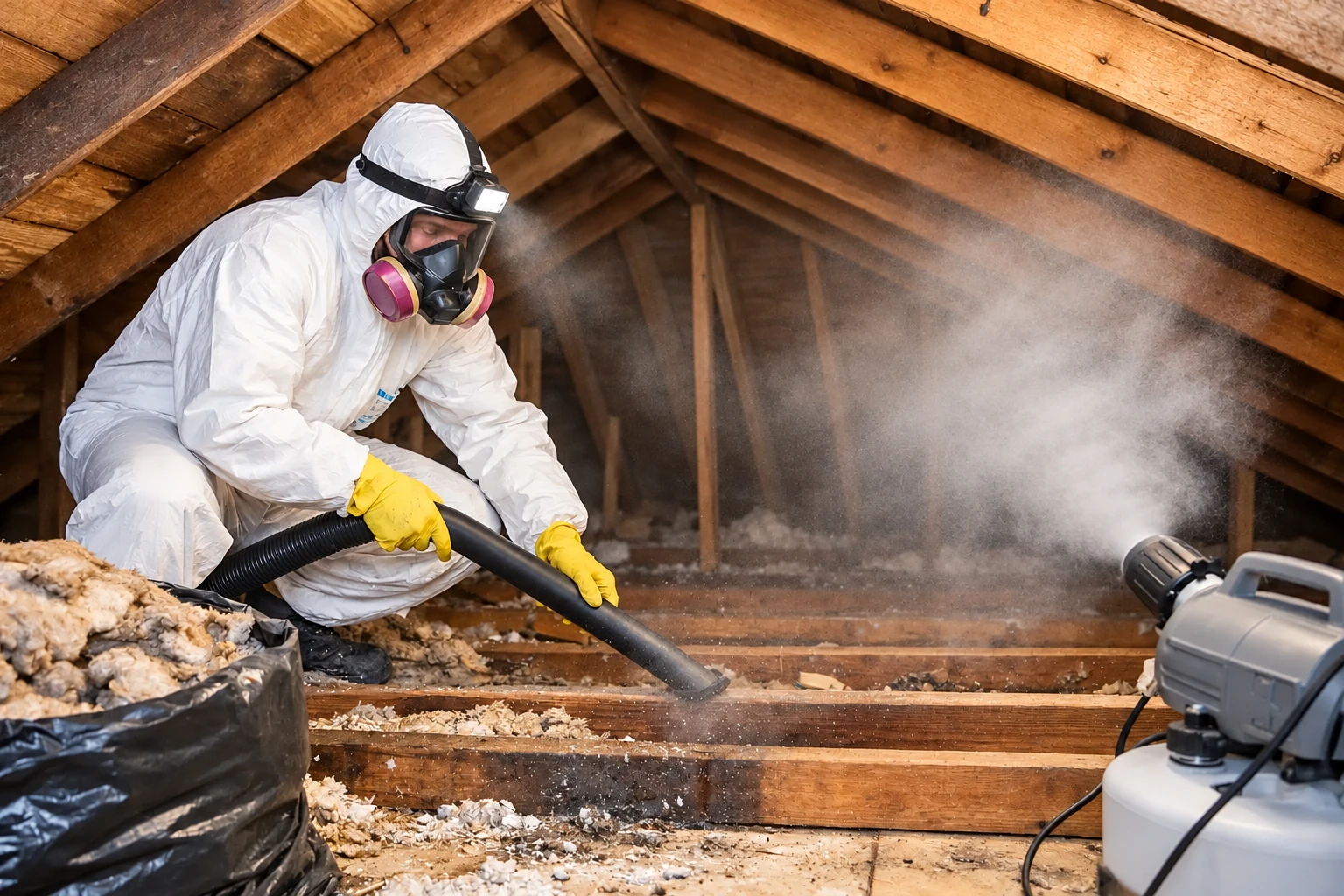
Some houses need a little more before the new material goes in. If what's up there now got soaked by an old roof leak or is full of droppings, we pull it out with insulation removal first, since fresh insulation over a mess keeps the mess. If your floors stay cold or the house smells musty underneath, crawl space insulation is usually where the plan goes next.

Air sealing and a blown-in top-up

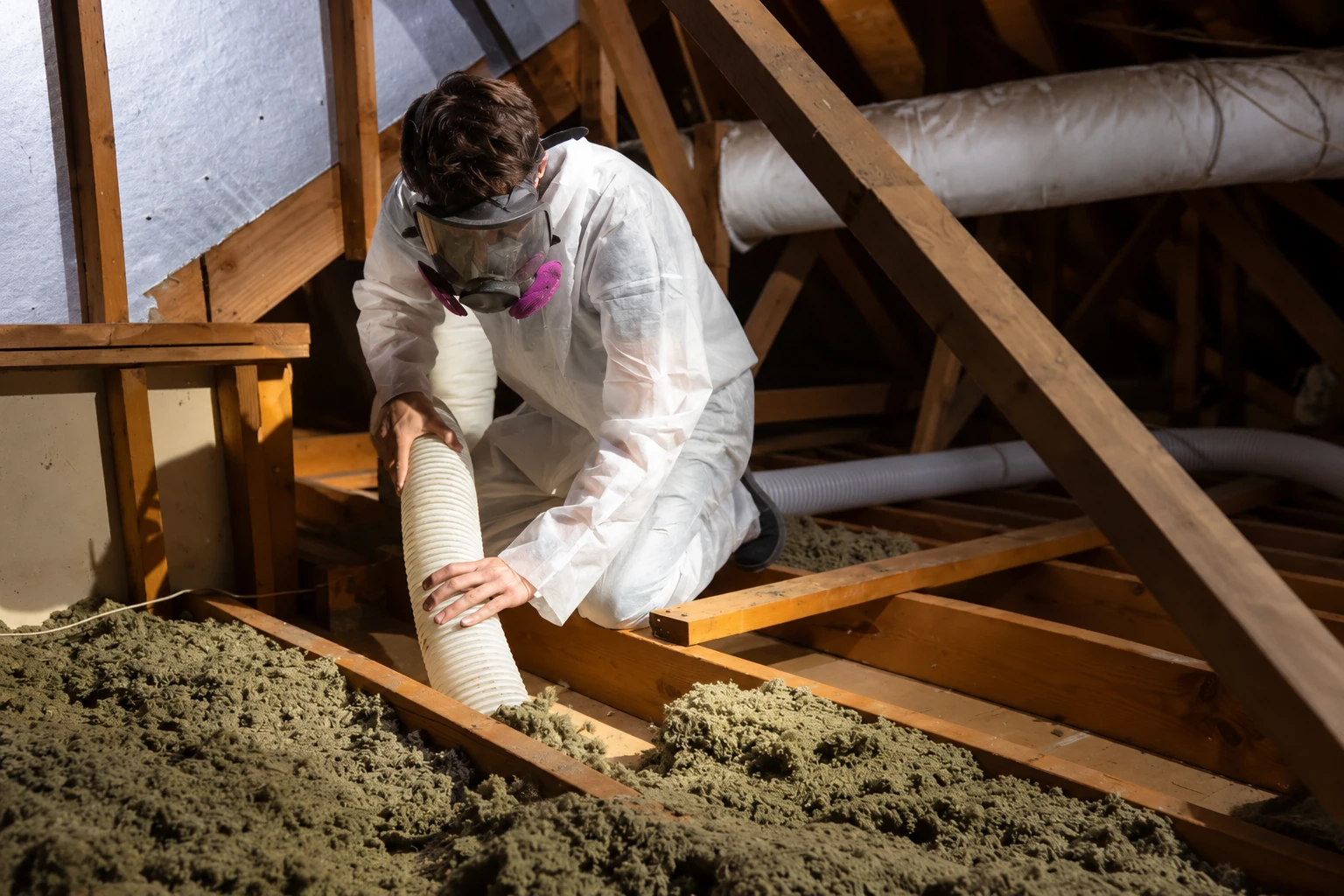
This is the one I recommend most often, because sealing the gaps and then adding blown-in insulation, loose fill blown through a hose, over what's already there gets the most comfort for the money. It suits an attic with sound framing, working vents and no ductwork running through it.

Spray foam when the ducts live up there

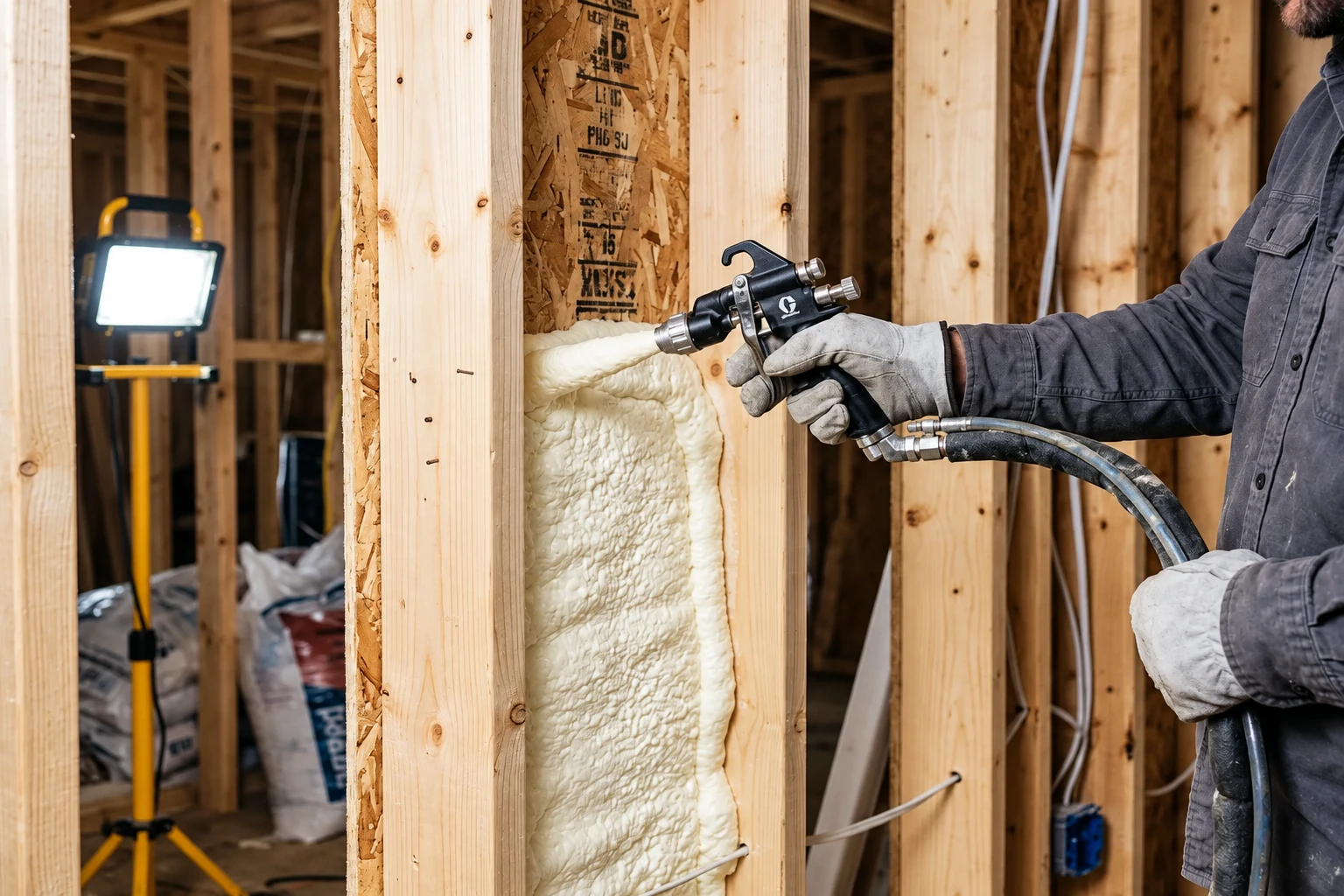
Foam costs more, but it seals air and insulates in one pass, and it earns that price when your ductwork and air handler sit in a hot attic. Foaming the roofline keeps that space closer to the house's temperature, so you're not cooling air through ducts that are baking.

Why Longview homeowners call Complete Longview Spray Foam Insulation

The owner writes your estimate

I come out to look at your house and write the estimate myself, attic hatch and crawl space included. Then our own crew lead and installers do the work, so the people in your attic answer to me and know the plan before they climb the ladder.

Full-time in this trade since 2013

I started out blowing insulation into neighbors' attics on weekends and asking a lot of questions. It became my full-time work in 2013, and after 13 years I still care most that a job goes in the right order, so nothing gets buried that should've been fixed.

Licensed and fully insured on every job

We're licensed and fully insured, and our promise fits in two words. Satisfaction guaranteed. If you'd like me to take a look, call (903) 309-1886 or use our contact form, and have your rough square footage and anything odd you've seen in the attic handy.

Get a home insulation plan built for your Longview house

We reply within one business day, and a lot of the time I'm the one calling you back. Then I'll set a time to walk your house for a free on-site estimate that spells out which areas and which materials the job covers. There's no pressure and no obligation, so you can take it, compare it or sleep on it.

Location
Longview, TX 75601
Hours
Mon–Fri: 8 AM–11 PM, Sat–Sun: 6 AM–10 PM

Home insulation permits and code questions in Longview

Whether a given insulation job needs a permit is the City of Longview's call, so before work starts I check with the city's building office about what it asks for on your job, and if a permit is needed we take care of it as part of our work and tell you up front. The city's building department staff also answer homeowners' questions about code requirements before a permit is issued, if you want to hear it from them. Longview's city limits reach into both Gregg and Harrison counties, so we go by the city your house sits in, not the county line.

We're based in Longview and work in the cities around it across East Texas, including White Oak, Kilgore, Tyler and more. Around here we see older houses with a few thin inches left in the attic, crawl spaces under pier-and-beam floors, and newer slab houses with the ductwork sweating it out up top, and each one gets its own plan.

Questions Longview homeowners ask about insulation

How much does home insulation cost in Longview, TX?

Insulation in Longview usually costs about $1 to $6 per square foot, and that's the going rate around here for the material put in, not a quote from us. Spray foam sits higher than a blown-in top-up, and any cleanup or sealing that has to come first adds to it. Your estimate lists the areas and materials so you can see where your job lands.

What is the best way to plan attic work, air sealing or insulation first?

Seal first, then insulate. Federal ENERGY STAR guidance recommends finishing the air sealing before the attic insulation, and the Energy Department's homeowner guide puts the savings on doing the two together. That's the order we follow on every plan.

What causes problems when new insulation goes over an old attic?

Trouble comes from covering up something that should have been fixed first. The ENERGY STAR guide says to have a professional correct wet insulation from a leaky roof, moldy or rotted rafters, little or no ventilation, and knob and tube wiring from before 1930, which can be a fire hazard when insulation touches it. It also says gray, pea-size, flaky vermiculite should stay undisturbed until an approved lab tests it for asbestos, and your local health department can name a lab.

Is cellulose or fiberglass better for my home?

It comes down to price against how each one handles water and settling. Loose-fill fiberglass costs more and slows airflow less well, but it's lighter, isn't ruined by a soaking and settles only 2 to 4 percent, while cellulose settles 10 to 20 percent over time and breaks down when it's saturated. In an attic with any history of roof leaks I lean fiberglass, and it's also the one to use in a mobile home, where cellulose is too heavy for the ceilings and floors.

How do I pull a homeowner permit in Longview?

You contact the city's Development Services department in person or by phone, and they walk you through the homestead exempt permit process. If we're doing the job, checking on the permit and handling it is our part, as covered above.

Call (903) 309-1886